
Celtic Betting Markets Explained: Odds, Props and Strategy Guide
 Available in US

Betting on Celtic extends far beyond simply backing them to win. The modern betting landscape offers dozens of markets for every Celtic match, each with distinct characteristics, risk profiles, and value opportunities. Understanding these markets transforms you from someone making basic bets into someone capable of finding genuine edges where casual bettors never look.
Beyond the Obvious: Why Match Result Betting Isn’t Enough
Most people start with match result betting—Celtic to win, draw, or lose. It’s straightforward, familiar, and often terrible value when Celtic are heavy favorites. When you see Celtic at 1.15 to beat Ross County at home, you’re looking at odds that require an 87% success rate just to break even over time. Even if Celtic win 85% of these matches, you’re slowly losing money while thinking you’re backing winners.
The problem with match result betting on Celtic is structural. Bookmakers know most casual money flows toward the obvious outcome, so they compress odds accordingly. Celtic winning becomes prohibitively priced because everyone wants to back it. Meanwhile, alternative markets—those requiring slightly more thought—often offer better risk-reward profiles because fewer bettors understand them well enough to exploit them.
This doesn’t mean avoiding match result bets entirely, but it does mean recognizing when they represent genuine value versus when you’re just paying a premium for simplicity. Against quality opposition where Celtic’s odds are 2.00 or higher, match results become interesting again. Against overwhelming favorites at 1.20 or below, your energy is better spent exploring markets that aren’t compressed by public sentiment.
Match Result Markets: The Foundation
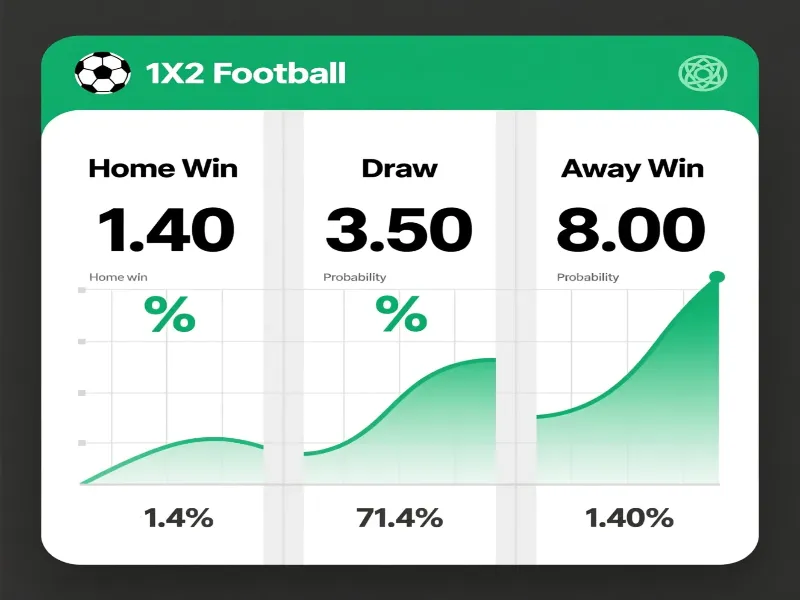
Despite limitations, match result betting remains the foundation. The 1X2 market—home win, draw, away win—is where most betting markets derive their pricing. Understanding how bookmakers set these odds helps you assess value across all other markets. When Celtic are priced at 1.40 to win, that implies roughly 71% win probability before the bookmaker’s margin. Every other market references this baseline probability.
The key insight is recognizing when match result odds are inefficient. If bookmakers have slightly mispriced Celtic’s win probability—maybe it should be 1.45 instead of 1.40—this mispricing cascades into other markets. Finding value in match results often means you’re finding value everywhere because all markets are interconnected. When Celtic face Aberdeen away after European football midweek, if you believe fatigue makes them more vulnerable than odds suggest, that insight applies across multiple markets.
Double chance betting allows you to cover two of the three outcomes—Celtic win or draw, for example. This provides insurance against unexpected results while accepting lower odds than backing Celtic outright. Double chance makes sense when you believe Celtic won’t lose but aren’t confident enough to risk them drawing. The trade-off is always the same: lower odds for higher probability.
The timing of when you place match result bets matters enormously. Early in the week, odds reflect general expectations. As team news emerges and money flows into the market, odds adjust. If you’ve identified that Celtic will rotate heavily for a Scottish Cup match, betting early before the market fully prices in rotation creates value. Conversely, waiting until team news is confirmed avoids backing Celtic at short odds only to discover their best XI isn’t playing.
Goal Markets: Where Celtic’s Style Creates Opportunities
Over/under goals markets suit Celtic’s playing style beautifully. Their commitment to attacking football and occasional defensive vulnerability creates matches with multiple goals. The standard line is typically 2.5 goals, but bookmakers also offer 1.5, 3.5, and sometimes 4.5 depending on the fixture. Understanding which line offers value requires analyzing both Celtic’s approach and the opposition’s likely tactics.
When Celtic face teams that defend deep and compact—most bottom-half Scottish Premiership sides—matches often produce fewer goals than Celtic’s attacking reputation suggests. Breaking down ten men behind the ball takes time, and if Celtic score once, the opponent might not commit forward enough to create a second goal. Over 2.5 goals in these scenarios can be poor value despite Celtic’s quality.
Conversely, when Celtic face teams with attacking ambition—Aberdeen, Hearts, or European opposition—matches open up. Both teams commit forward, leaving space for counter-attacks and multiple goals. Over 2.5 or even over 3.5 goals becomes attractive because the match structure encourages scoring at both ends. The key is assessing whether the opposition will attack Celtic or simply try surviving.
First half goals and second half goals markets split matches into distinct betting opportunities. Celtic often score more in the second half as opponents tire and space opens up. This pattern makes second half over 1.5 goals potentially better value than full match totals, especially when Celtic have gone into halftime drawing against inferior opposition. The odds don’t always fully reflect Celtic’s tendency to overwhelm teams late.
Team total goals markets focus on Celtic’s goal output regardless of what the opposition scores. Celtic over 2.5 team goals at 2.00 might offer better value than match over 3.5 goals at similar odds because you only need Celtic to perform, not both teams. When facing weak defensive sides where Celtic should dominate but the opposition lacks attacking threat, team totals isolate what you actually care about—Celtic’s goal production.

Both Teams to Score: Exploiting Celtic’s Defensive Vulnerability
Both teams to score, often abbreviated as BTTS, is one of the most interesting Celtic markets. Celtic’s attacking commitment and high defensive line create vulnerability on the counter-attack. Even when dominating possession and winning comfortably, Celtic often concede. This makes BTTS attractive even when Celtic are overwhelming favorites.
The odds for BTTS in Celtic matches vary dramatically based on opposition. Against Rangers or in European fixtures, BTTS is typically odds-on because both teams have quality. Against bottom-tier Scottish Premiership opposition, BTTS might be 2.50 or higher because the opponent’s goal threat appears minimal. Value exists when you identify situations where Celtic’s defensive vulnerability is underestimated.
Celtic’s tactical approach under managers who prioritize possession and pressing creates specific BTTS patterns. When the press is beaten, Celtic are exposed because they commit so many players forward. Quality opposition with pace can exploit this consistently. Even inferior opposition occasionally breaks through when Celtic over-commit. Understanding Celtic’s tactical setup and the opposition’s counter-attacking capability helps assess BTTS value.
In European away fixtures, BTTS has historically offered excellent value. Celtic travel to unfamiliar environments against quality opposition and typically concede while also scoring because they approach these matches with attacking intent. The psychological and tactical dynamics of European away matches create scenarios where BTTS represents a safer bet than trying to predict the winner.
Home matches against mid-table opposition present interesting BTTS decisions. Celtic should dominate but might concede from a set piece or defensive lapse. If the opposition has a dangerous striker or takes set pieces seriously, BTTS at inflated odds becomes worth considering. The key is identifying opponents who possess genuine goal threat even when outclassed.
Asian Handicap: Solving the Odds Problem
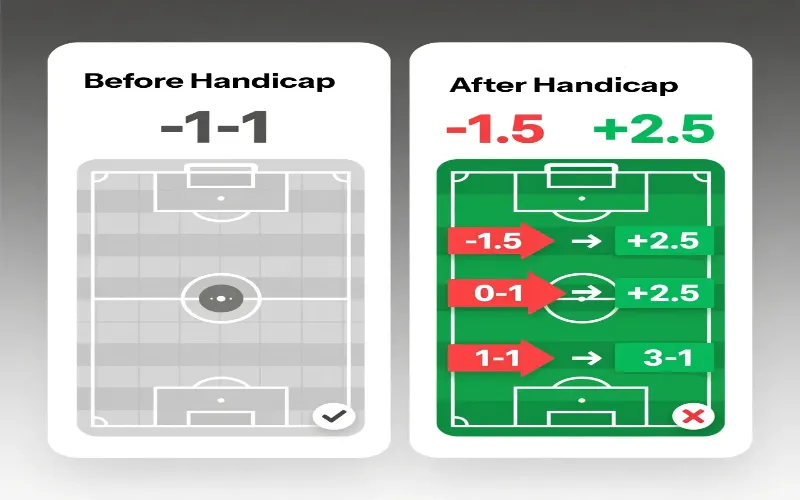
Asian handicap betting was invented to solve exactly the problem Celtic’s domestic dominance creates—prohibitively short odds on favorites. Instead of backing Celtic at 1.15 to win, you back them at 1.90 to win by two or more goals. The handicap adjusts the outcome, creating more balanced odds and, crucially, better value when you’re right.
The mechanics work by giving Celtic a goal deficit they must overcome. Celtic -1.5 goals means they must win by at least two goals for your bet to succeed. If they win 2-0, you win. If they win 1-0, you lose despite Celtic winning the match. This transforms matches where Celtic are overwhelming favorites into genuine betting propositions.
Understanding which handicap to select requires analyzing Celtic’s recent scoring patterns against similar opposition. If Celtic average three goals per game against bottom-half sides, the -1.5 handicap at 1.80 offers better value than the straight win at 1.15. You’re accepting slightly more risk—Celtic winning 1-0 or 2-1 means you lose—but the odds compensate for this risk.
Asian handicaps come in half-goal and quarter-goal varieties. Half-goal handicaps like -1.5 or -2.5 are straightforward—Celtic must beat the handicap or you lose. Quarter-goal handicaps like -1.75 split your stake between two lines, offering partial refunds in certain scenarios. These nuances allow precise risk management unavailable with traditional betting.
The reverse application—taking the underdog with a positive handicap—also creates value. When Celtic are huge favorites, taking the opponent at +2.5 goals means they can lose by two goals and you still win. If you believe Celtic will win but not demolish the opposition, this offers a safer alternative to backing the outright draw at long odds.
Correct Score: High Risk, High Reward
Predicting exact scorelines is brutally difficult, which is why correct score betting offers substantial odds. Celtic 3-0 or 2-1 might pay 7.00 or 8.00, tempting multiples compared to the 1.15 for a simple win. But accuracy requires everything breaking right—not just the result but the precise goal count for both teams.
Despite difficulty, certain Celtic scorelines occur with enough frequency to warrant occasional correct score bets. Home matches against weak opposition often end 2-0, 3-0, or 3-1. These scorelines represent Celtic dominating comfortably without going overboard because the match situation doesn’t demand excessive goal scoring once the result is secure.
Analyzing Celtic’s recent scoring patterns against comparable opposition helps identify likely scorelines. If Celtic have beaten similar teams 3-0, 2-0, 3-1 in recent matches, those scorelines warrant consideration. The odds might be 8.00 for 3-0, representing roughly 12.5% implied probability. If you genuinely believe 3-0 happens 15% of the time based on analysis, that’s a value bet despite low absolute probability.
Combining multiple correct scores in a bet builder or accumulator spreads risk while maintaining the higher odds these bets offer. Backing Celtic 2-0, 2-1, 3-0, and 3-1 covers multiple likely outcomes at combined odds that might still offer value compared to the straight win. This strategy sacrifices maximum payout for increased probability while still targeting better odds than simple match results provide.
The danger with correct score betting is the temptation to force it when no value exists. Just because the odds are generous doesn’t mean they represent genuine opportunity. Celtic matches where rotation is expected, opposition tactics are uncertain, or conditions are unusual should generally be avoided for correct score betting. Save these bets for scenarios where you have high confidence in Celtic’s approach and likely goal volume.
Player Props: Focusing on Individual Performances
Player prop markets isolate individual performances from match outcomes, creating opportunities when you’ve identified players in exceptional form or favorable matchups. Anytime goalscorer markets offer odds on whether a specific player scores, regardless of when or how many times. First goalscorer sharpens this by requiring them to score first.
Celtic’s main strikers typically offer anytime goalscorer odds around 2.00 to 2.50 in matches where Celtic are favored. These odds often represent better value than backing Celtic to win at 1.15 because the striker might score in a 1-1 draw, paying out despite Celtic not winning. The key is assessing individual scoring probability independent of match result.
Form matters enormously in player props. A striker who has scored in six consecutive matches is in rhythm, getting quality chances, and converting efficiently. Even if the odds don’t fully reflect this hot streak, backing them as anytime goalscorer creates value. Conversely, a striker returning from injury or recently dropped might be overpriced based on reputation rather than current form.
Penalty takers offer particular value in anytime goalscorer markets. If a player takes penalties and Celtic typically earn one per match in home fixtures, their scoring probability increases meaningfully. When odds don’t fully account for penalty duties—perhaps because the player isn’t the main striker—value exists.
Assist markets have grown popular, offering odds on players providing assists. Celtic’s creative midfielders and attacking full-backs create numerous chances, making assist props interesting alternatives to goalscorer betting. The challenge is that assists require both the creative pass and the finish, introducing additional randomness. A midfielder might create five chances that teammates miss, delivering an excellent performance but no assist for betting purposes.
Card markets on Celtic players focus on bookings and occasionally red cards. Certain defensive midfielders accumulate yellows consistently through tactical fouls. If you identify a player averaging one yellow card every three matches and find odds above 3.00 for them being booked, value exists. The consistency of card accumulation for certain player profiles creates predictable betting opportunities.
Shot markets—total shots, shots on target—offer another angle. Celtic dominate possession against most domestic opposition, creating numerous shooting opportunities. Betting on Celtic total shots over 15.5 or shots on target over 7.5 provides alternatives to goal-dependent markets. These bets win even if Celtic somehow fail to convert chances into goals, isolating shot creation from finishing efficiency.

Half-Time/Full-Time: Exploiting Match Flow Patterns
Half-time/full-time betting requires predicting results at both halftime and full-time, creating nine possible combinations. Celtic winning/Celtic winning is the most common, but the compressed odds reflect this probability. More interesting are combinations like draw/Celtic winning, which happens when Celtic take time to break down stubborn opposition.
Celtic’s pattern of scoring more frequently in second halves makes draw/Celtic winning particularly relevant. When facing defensively organized teams, Celtic often go into halftime drawing before wearing down opponents in the second half. The odds for draw/Celtic winning are typically much higher than Celtic/Celtic winning, offering value when you expect this specific pattern.
Conversely, Celtic/draw is rare but not impossible, particularly late season when results don’t matter and Celtic are mentally elsewhere. Backing Celtic/draw at very long odds represents a lottery ticket for scenarios where Celtic race into a lead then coast to a draw because motivation evaporated. These bets rarely hit but pay handsomely when they do.
Analyzing Celtic’s recent first-half performance provides insight into half-time/full-time value. If Celtic have been slow starters recently, going into halftime drawing or trailing before asserting dominance, the pattern suggests draw/Celtic winning offers better value than odds might imply. Historical patterns inform future probabilities when tactical approaches remain consistent.
The half-time result market independently from full-time offers simpler betting. Backing the draw at half-time in Celtic matches where you expect cagey opening periods followed by second-half goals provides a middle ground between half-time/full-time complexity and single-result simplicity. Celtic matches where tactical caution or respect between teams delays goal scoring make half-time draw attractive.
Corner Markets: Capitalizing on Possession Dominance
Corner markets focus on corner kick totals rather than goals, creating opportunities based on playing styles. Celtic’s possession dominance and attacking width typically generate significant corner volume. When opponents pack their penalty area defending deep, Celtic’s crosses and wide play produce corners even when goals don’t immediately follow.
Match total corners and Celtic team corners markets offer different risk profiles. Match total corners depends on both teams, making it vulnerable if Celtic dominate so completely that the opposition never enters Celtic’s half. Celtic team corners isolates what you actually care about—how many corners Celtic’s style generates.
Typical corner lines for Celtic home matches are Celtic team corners over/under 5.5 or 6.5, with match totals around 9.5 or 10.5. Understanding whether Celtic are likely to dominate possession or face a more open match helps assess these lines. Against teams that will attack and commit forward, match corners increase because both teams spend time in the opposition’s half. Against teams defending deep, Celtic corners dominate the total while the overall match total might stay lower.
In-play corner betting during Celtic matches offers particular value. If Celtic are dominating possession in the first twenty minutes, live corner markets might not have adjusted quickly enough to reflect Celtic’s territorial advantage. Betting on additional Celtic corners or next corner Celtic when the match flow clearly favors them captures value before the live market corrects.
Corner handicaps work similarly to goal handicaps, giving Celtic a corner deficit to overcome. Celtic -3.5 corners means they need at least four more corners than their opponent. Against inferior opposition Celtic dominate territorially, this handicap often hits while offering better odds than the simple team corner total. The additional risk is Celtic might dominate possession centrally without generating corners, making this bet more volatile.
Card Markets: Referee and Style Interactions
Card markets require understanding both team discipline and referee tendencies. Celtic typically accumulate cards through tactical fouls when opponents break their high press or via frustration when matches aren’t flowing. Certain Celtic players—usually defensive midfielders tasked with stopping counter-attacks—pick up cards consistently.
Match total cards depend heavily on referee identity. Some referees issue yellows liberally; others let matches flow. When strict referees officiate matches between Celtic and physical opponents, total cards can exceed 4.5 or 5.5. When lenient referees oversee mismatches where Celtic dominate peacefully, the total might stay under 2.5. Checking referee statistics before betting card markets is essential.
Individual player card bets target Celtic players with disciplinary histories. If a midfielder averages one yellow every three matches and the odds are 3.50 for them being booked, simple math suggests value over time. The challenge is card accumulation isn’t perfectly predictable—the same player might commit identical fouls but receive cards in one match and warnings in another based on referee judgment.
First card and last card markets add another dimension. Celtic often commit the first foul as opponents counter-attack against their high defensive line, making Celtic first card worth considering. Conversely, late in matches Celtic have won comfortably, opponents’ frustration might lead to rash challenges, making the opponent last card attractive. These markets require reading match flow and psychological factors beyond pure discipline.
In European fixtures, especially away matches, Celtic’s card accumulation typically increases. The higher stakes, unfamiliar refereeing standards, and quality opposition create environments where tactical fouls and cards become more frequent. Betting on Celtic player cards or match totals in European competition often offers value because domestic card patterns don’t fully translate to continental football’s different context.
Specials and Exotic Markets: For Advanced Bettors
Winning margin markets predict victory margin rather than just outcome. Celtic to win by exactly two goals offers higher odds than Celtic to win by any margin. When you have high confidence in not just Celtic winning but dominating by a specific margin, these markets provide better value than simple match results.
Time of first goal markets bet on when scoring begins—before 10 minutes, between 10-20 minutes, and so forth. Celtic’s aggressive starts in important matches make the first ten-minute window sometimes undervalued. Conversely, cagey matches where Celtic take time assessing opponents might see first goals arriving in the 20-40 minute window.
Scorecast and wincast bets combine player goalscorer bets with match results. A scorecast might be Celtic to win 2-1 with a specific player scoring, offering very long odds because both elements must occur. These bets are typically poor value because the combined probability is so low, but when you have strong convictions about both the player and scoreline, the enhanced odds can be attractive.
Penalty markets bet on whether penalties will be awarded. Celtic earn penalties with reasonable frequency because they dominate possession in the opponent’s area, creating opportunities for fouls. In matches where Celtic will have 70%+ possession against physical opponents likely to commit fouls, penalty yes markets can offer value, particularly if the referee has a history of awarding penalties.
Method of victory markets bet on whether matches end in regular time, extra time, or penalties—relevant for cup competitions. Celtic’s quality advantage means they typically win within ninety minutes, making regular time victory more likely than the extended odds suggest. However, cup giant-killings occasionally require extra time, particularly in away fixtures against motivated lower-league opposition.
Accumulators and System Bets: Combining Markets
Accumulator bets combine multiple selections, requiring all to win but offering multiplied odds. Celtic to win, over 2.5 goals, and anytime goalscorer combined might create 5.00 odds from three individually short selections. The appeal is obvious, but the mathematical reality is harsh—bookmakers’ margins compound across multiple selections, usually making accumulators poor value.
System bets allow some selections to lose while still providing returns. A Trixie (four bets across three selections) or Patent (seven bets across three selections) provide insurance against one losing leg. These reduce maximum profit but increase probability, making them potentially smarter than straight accumulators for risk-averse bettors.
Same game multis or bet builders allow combining markets within a single Celtic match. Celtic to win, over 2.5 goals, and both teams to score creates one multi-bet rather than separate wagers. Bookmakers typically reduce odds for correlated outcomes—if Celtic win, over 2.5 goals becomes more likely, so the combined odds aren’t simply multiplied. Understanding these correlations helps assess whether bet builders offer genuine value or just create illusion of higher odds.
The strategy with accumulators and system bets is extreme selectivity. Only combine bets you’d make individually and where you genuinely believe each leg offers value. Using accumulators to make boring short odds exciting is entertainment, not investment. If you wouldn’t back Celtic at 1.20 individually, combining it into an accumulator doesn’t magically create value—it compounds poor decisions.
In-Play Betting: Dynamic Market Opportunities
In-play betting transforms how you can approach Celtic matches. Odds shift constantly based on match flow—possession, shots, cards, momentum—creating opportunities unavailable pre-match. When Celtic go 1-0 down at home to St Mirren in the 15th minute, their odds to win lengthen from maybe 1.20 pre-match to 1.80 or 2.00 in-play. But Celtic’s actual win probability hasn’t changed proportionally—they’re still vastly superior with 75 minutes remaining.
This disconnect between short-term match state and long-term outcome probability is where in-play value lives. The bookmaker’s algorithm reacts to goals and significant events, but it can’t perfectly assess whether Celtic’s deficit is meaningful or just temporary noise. Experienced bettors recognize when live odds overreact to events that don’t fundamentally change probable outcomes.
In-play goal markets become interesting when Celtic dominate possession but haven’t scored. If Celtic have 70% possession, ten shots, but are drawing 0-0 in the 60th minute, odds for Celtic next goal or over 1.5 match goals might offer value. The match state suggests goals are coming, but the live odds might not fully reflect Celtic’s territorial dominance.
Momentum shifts during matches create mispriced in-play opportunities. When Celtic score to make it 2-0 in the 65th minute, the odds for them to score again tighten, but the match might actually open up as opponents commit forward chasing goals. The psychological and tactical adjustments following goals aren’t perfectly captured by algorithmic odds adjustments.
The drawback of in-play betting is requiring match access and quick decision-making. You need to watch matches live and react quickly when opportunities emerge. This isn’t feasible for everyone, but for those who can, in-play betting offers some of the sharpest edges available because the markets move so quickly that inefficiencies persist briefly before correction.

Market Selection Strategy: Choosing Your Battles
With dozens of markets available for every Celtic match, the key skill is identifying which markets offer genuine value rather than betting everything available. Start by analyzing Celtic’s likely approach, the opposition’s tactics, and the specific match context. This analysis naturally suggests certain markets as more interesting than others.
Against weak defensive opposition Celtic should thrash, Asian handicaps and team total goals make sense. Against quality opposition in competitive matches, both teams to score and over/under goals become more relevant than trying to predict winners. In matches where Celtic will dominate possession but face packed defenses, corner markets offer alternatives to goal-dependent betting.
Understanding your own edge helps with market selection. If you’re particularly good at assessing individual player form, focus on player props. If you excel at reading match flow, prioritize in-play betting. If you understand referee tendencies, card markets become your focus. Specialization beats generalization because depth of knowledge in specific markets creates edges that breadth cannot match.
Record keeping reveals which markets you personally profit from versus which consistently lose money. Maybe you’re excellent at over/under goals but terrible at correct scores. This information, accumulated over dozens or hundreds of bets, shows you where your analytical strengths lie and where you should focus future betting activity. Market selection isn’t about betting everything—it’s about betting only what you’re good at.
Learn about the implications of betting in Celtic FC’s context by exploring this explanation.
Make sure to visit the main site for all relevant updates.
Published:
