
Old Firm Player Props: Goalscorer and Performance Betting Guide
 Available in US

Individual player markets transform Old Firm betting from team-level predictions into granular assessments of who will deliver when Glasgow’s rivalry reaches peak intensity. While match result and goals markets depend on collective performance, player props ask specific questions: Will this striker score? Will that midfielder receive a card? Will this defender win his aerial duels? These markets reward detailed knowledge of individual capabilities and how specific players perform under derby pressure.
Old Firm matches elevate certain players while diminishing others. The occasion brings out best performances from those who thrive on pressure and worst performances from those who shrink from it. Identifying which category each Celtic player occupies provides edges unavailable in team-level markets where individual variance averages out.
Goalscorer Market Fundamentals
The anytime goalscorer market asks whether a named player will score at any point during the match. First goalscorer markets offer higher odds but require scoring the opening goal specifically. Last goalscorer markets predict who nets the final goal. Each variation carries distinct dynamics in Old Firm context.
Anytime goalscorer pricing reflects historical scoring rates, expected minutes, and opposition defensive quality. A Celtic striker averaging 0.6 goals per match might price around 2.00 to score anytime. However, Old Firm matches disrupt these averages because the defensive intensity suppresses overall scoring. That same striker’s derby scoring rate might drop to 0.4 goals per match, meaning 2.00 odds offer poor value.
First goalscorer markets carry additional variance because they depend on both scoring and scoring first. A player might score twice in a match yet lose first goalscorer bets because a teammate scored initially. Old Firm matches with their low scoring particularly punish first goalscorer bets because fewer total goals mean fewer opportunities for any specific player to score first.
The value in goalscorer markets often lies with unlikely candidates. Set pieces decide many Old Firm matches, meaning defenders who attack corners carry elevated scoring probability. A Celtic centre-back priced at 15.00 to score anytime might offer value if he threatens from corners against weak aerial defenders.
Identifying Derby Performers
Certain players consistently deliver in Old Firm matches regardless of their form in other fixtures. These derby specialists warrant attention in player prop markets because their elevated performance in this specific fixture creates value when bookmakers price based on overall averages.
Historical derby data reveals these patterns clearly. A Celtic player who has scored in four of his last six Old Firm appearances demonstrates derby-specific ability that his general scoring rate might mask. If he averages one goal every four matches generally but one goal every two matches in derbies, bookmakers using general rates underprice his derby goalscorer odds.
Psychological profiles matter enormously in derbies. Players who welcome pressure, who raise their intensity when stakes increase, consistently outperform in Old Firm matches. Those who tighten under scrutiny, who overthink in crucial moments, consistently underperform. Observing players across multiple derbies reveals these tendencies.
Experience correlates with derby performance. Players featuring in their tenth Old Firm match handle the occasion better than those in their first. The chaos no longer overwhelms them. They read derby dynamics instinctively. This experience effect means veteran Celtic players often outperform younger teammates in derby player props despite similar or inferior general statistics.
Leadership qualities translate to derby performance. Players who organise teammates, who demand standards, who refuse to accept mediocrity often produce best performances when leadership matters most. Celtic’s captain and vice-captain typically warrant player prop consideration beyond their raw statistical profiles.

Shot and Shot on Target Markets
Beyond goalscoring, bookmakers offer markets on shots attempted and shots on target. These markets suit Old Firm analysis because they capture attacking involvement without requiring actual goals in low-scoring fixtures.
Shot markets ask whether a player will attempt a specified number of shots during the match. A Celtic forward might be priced at 1.80 to have over 1.5 shots. This requires two or more shot attempts regardless of whether they produce goals. In Old Firm matches where defensive intensity reduces goal probability, shot markets sometimes offer superior value to goalscorer markets.
Shot on target markets add accuracy requirements. Over 0.5 shots on target for a Celtic forward requires at least one attempt that would score without goalkeeper intervention. These markets bridge the gap between shot volume and actual scoring, offering middle-ground options when goalscorer odds seem poor but shot volume odds seem too easy.
The defensive orientation of Old Firm matches affects shot market dynamics. Celtic might dominate possession without creating clear chances, producing shots from distance that inflate shot counts without genuine goal threat. Understanding Celtic’s likely tactical approach helps predict whether shot volume or shot quality will characterise their attacking output.
Set piece specialists warrant shot on target consideration. Players who take free kicks and penalties have guaranteed opportunities to test the goalkeeper. If Celtic earns a penalty, the designated taker gets a shot on target almost automatically. Identifying likely set piece takers provides edges in shots on target markets.
Assist Markets
Assist markets predict who will provide the final pass before a goal. These markets depend entirely on goals being scored, making them challenging in low-scoring Old Firm matches. However, when goals do occur, specific players disproportionately contribute assists.
Celtic’s creative players dominate assist probability. Attacking midfielders who orchestrate Celtic’s attacking play and wide players who deliver crosses into dangerous areas represent primary assist candidates. Identifying Celtic’s most creative performers helps focus assist betting on players most likely to be involved in goal creation.
Set piece delivery again proves relevant. The player taking corners and free kicks assists any resulting headed goals. A Celtic player who delivers most set pieces might price at 5.00 for an assist, offering value if Celtic’s set piece threat against Rangers proves potent.
Assist markets require goals to occur, making them implicitly correlated with over goals markets. If you expect a low-scoring affair, assist betting offers poor value because the market requires goals you do not expect. If you expect goals, assist betting becomes viable but competes with goalscorer markets for betting allocation.
Card Markets for Individual Players
Player card markets predict whether specific individuals will receive yellow or red cards. Old Firm matches produce elevated card counts, making individual card markets viable betting propositions when you identify likely recipients.
Defensive midfielders represent prime card candidates in any match, and Old Firm intensity amplifies their booking risk. Their role involves breaking up attacks through challenges that risk punishment. A Celtic midfielder who averages 0.3 yellow cards per match might average 0.5 in Old Firm fixtures specifically.
Players with rivalry history carry elevated card risk. Personal vendettas between specific Celtic and Rangers players produce targeted aggression that referees punish. If a Celtic player has previously clashed with a particular Rangers opponent, his card probability increases when facing that opponent again.
Temperament varies significantly between players. Some maintain composure regardless of provocation. Others react emotionally to opponents, referees, or crowd hostility. Knowing which Celtic players struggle with derby emotions helps identify value in player card markets.
Booking probability increases for players on yellow cards who continue aggressive play. If a Celtic player receives an early caution yet maintains his combative approach, second yellow risk rises significantly. Live betting on player red cards sometimes offers value when you identify players who cannot moderate their aggression after early bookings.
Performance Index Markets
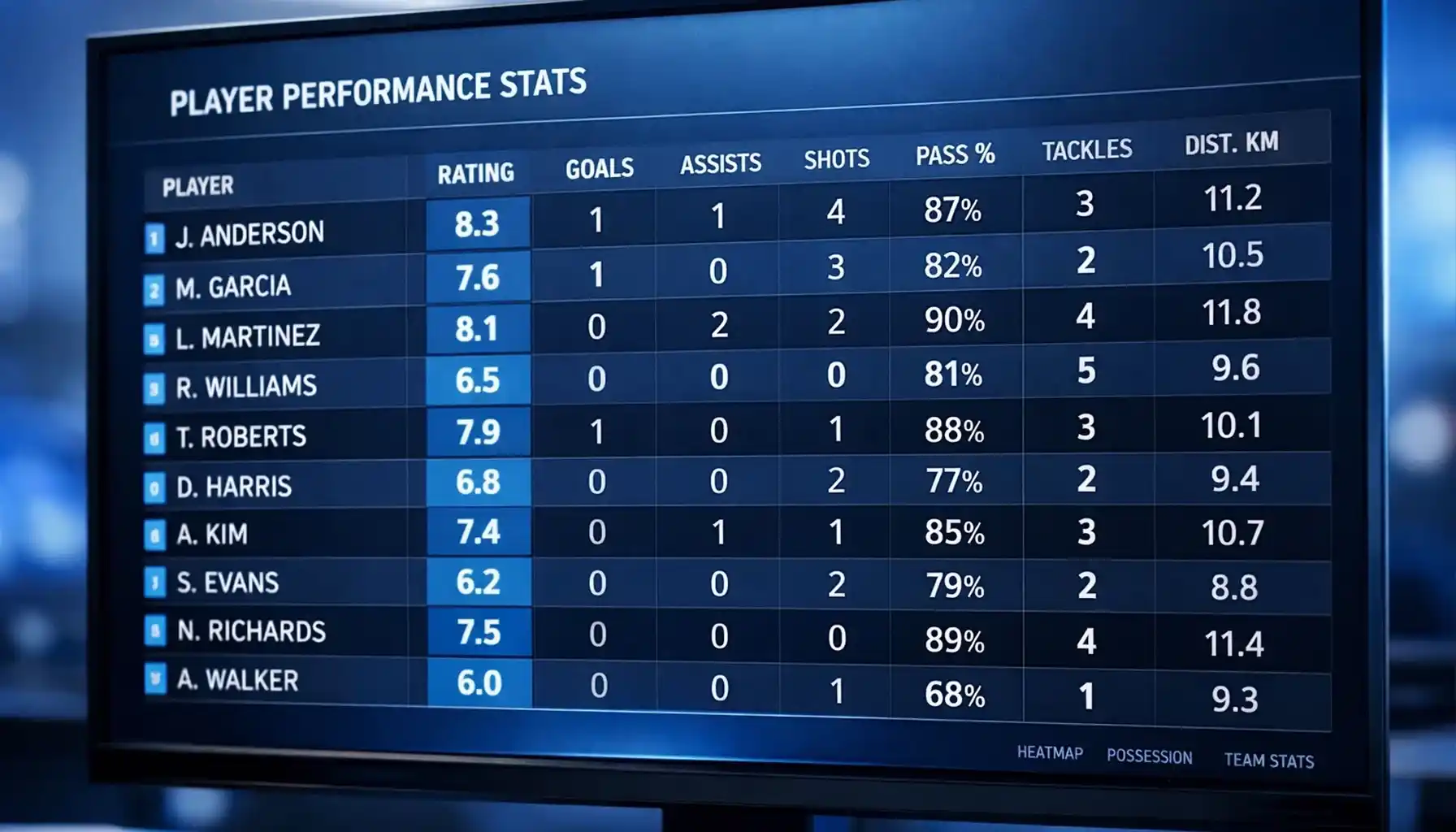
Some bookmakers offer markets on player performance indices that combine multiple statistical categories into single scores. These markets might ask whether a Celtic player’s combined rating exceeds a specified threshold based on passes completed, tackles won, chances created, and other measurable actions.
Performance index markets suit derby analysis because they capture overall involvement rather than outcome-dependent contributions like goals or assists. A Celtic midfielder might not score or assist in a 0-0 draw yet dominate the performance index through passing accuracy and defensive actions.
Understanding how specific indices weight different contributions helps predict likely high performers. Indices that emphasise passing suit Celtic’s possession-dominant players. Indices that weight defensive actions favour Celtic’s defensive midfielders. Matching player profiles to index methodologies helps identify value.
The low-scoring nature of Old Firm matches makes performance indices more stable than goal-dependent markets. Goals introduce binary variance where a player either scores or does not. Performance indices accumulate throughout matches, producing smoother distributions that suit systematic betting approaches.
Combining Player Props
Building positions across multiple player prop markets can capture value while managing risk. These combination approaches require careful stake management but offer creative angles on Old Firm betting.
Backing a Celtic attacker to score anytime while also backing a Celtic defender to receive a card creates uncorrelated positions. The attacker bet wins if Celtic scores through him specifically. The defender bet wins if he commits bookable fouls. Neither outcome depends on the other.
Combining goalscorer bets across multiple Celtic players reduces variance while maintaining upside. Backing three different Celtic players to score anytime at average odds of 4.00 gives you three chances to win while capping maximum loss at combined stakes.
Avoid accumulating correlated player props. Backing multiple Celtic players for shots on target succeeds or fails based on overall Celtic attacking performance. If Celtic struggle offensively, all bets lose together. The apparent diversification across players provides no actual risk reduction.
Player props in Old Firm matches reward detailed individual analysis that casual bettors rarely undertake. Knowing how specific players perform under derby pressure, which players thrive and which wilt, provides edges unavailable in team-level markets. The work required to develop this knowledge is substantial but the reward is access to betting opportunities invisible to those who analyse only team outcomes.
Published:
