
Celtic Betting Statistics: Data Sources, Metrics and Analysis
 Available in US
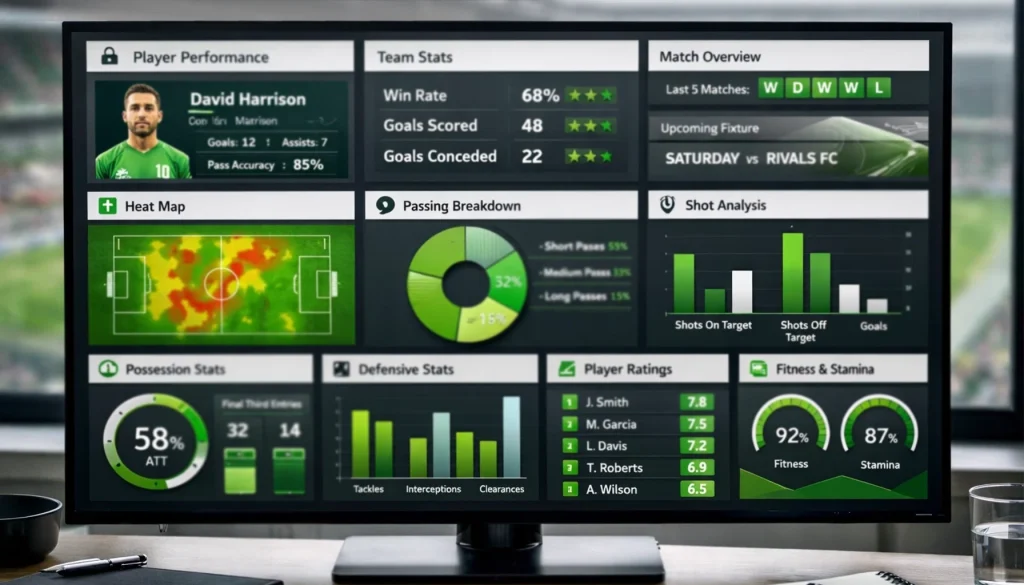
Data-driven Celtic betting requires access to reliable statistics and tools for analysing them. Raw numbers alone do not produce profitable bets, but understanding where to find quality data and how to interpret it provides foundation for informed decision-making. The gap between recreational bettors relying on intuition and serious bettors using systematic analysis often comes down to data access and analytical capability.
Scottish football receives less statistical coverage than major European leagues, making data sourcing more challenging. However, sufficient resources exist for those willing to invest effort in finding and organising relevant information. Building personal databases and analytical frameworks converts available data into betting intelligence.
Essential Celtic Statistics
Certain statistics carry particular relevance for Celtic betting analysis.
Goals scored and conceded provide fundamental offensive and defensive assessment. Track Celtic’s goals per match at home and away, against different opponent categories, and across competitions. These basic numbers inform every betting market.
Expected goals (xG) measures chance quality beyond actual conversion. Celtic might score three goals from 1.8 xG in one match and zero from 1.5 xG in another. Understanding xG helps separate sustainable performance from variance-driven results.
Possession percentage indicates Celtic’s territorial dominance level against specific opponents. Higher possession correlates with corner generation, shot volume, and scoring opportunities. Track possession against different opponent types.
Shots and shots on target measure attacking volume independent of conversion. Celtic generating twenty shots suggests attacking dominance that might not appear in scorelines against resolute defences. Shot data informs both goals and corners markets.
Corners won directly inform corner betting markets. Track Celtic’s corner generation patterns against different defensive approaches. Some opponents concede many corners through deep defending while others deny corners through pressing engagement.
Cards received and committed inform disciplinary markets. Track which Celtic players accumulate cards and in which fixture types. Some players receive cards disproportionately in specific contexts.
Free Data Sources
Several free resources provide Celtic statistics suitable for betting analysis.
BBC Sport offers basic match statistics including possession, shots, corners, and cards for all Celtic matches. While limited in depth, BBC coverage provides reliable baseline data at no cost.
Flashscore and similar live score services archive match statistics from completed fixtures. Scrolling through Celtic’s recent matches provides quick statistical summaries useful for trend identification.
Transfermarkt provides squad information, transfer values, injury news, and fixture schedules. While not directly statistical, this information contextualises Celtic betting analysis.
Wikipedia maintains Scottish Premiership tables and Celtic season records. Historical league data helps identify long-term patterns and season-on-season comparisons.
Official Celtic channels occasionally release statistical content celebrating player achievements or team records. While promotional in nature, this content sometimes contains useful data points.
Subscription Data Services
Paid services offer deeper Celtic statistics for serious bettors.
Opta/Stats Perform provides comprehensive football statistics underlying many professional analyses. Subscription costs prove substantial but data quality exceeds free alternatives significantly.
FBref offers free access to extensive football statistics including advanced metrics. Their Scottish Premiership coverage provides xG, progressive passes, pressing statistics, and other advanced measures.
Understat focuses specifically on expected goals data with visualisation tools. Their Scottish coverage enables xG-based Celtic analysis without subscription costs.
WhoScored provides player ratings and detailed match statistics with limited free access and expanded paid options. Celtic player performance data helps identify form trends.
SofaScore offers detailed match statistics and player ratings through app and website interfaces. Free access provides substantial data while premium features expand capabilities.
Building Personal Databases
Creating your own Celtic statistical databases provides analytical advantages unavailable from generic sources.
Match-by-match recording of relevant statistics builds samples for analysis. Track outcomes you care about: Celtic goals, corners, cards, and any other markets you bet. Over time, these records reveal patterns invisible in single-match analysis.
Opposition categorisation enhances database utility. Tag opponents by playing style, league position, or other relevant factors. This categorisation enables filtered analysis showing Celtic’s performance against specific opponent types.
Contextual notation captures factors beyond basic statistics. Record whether Celtic fielded full strength or rotated, whether the match occurred amid fixture congestion, and whether competitive stakes existed. These contextual factors affect outcomes independently from statistical patterns.
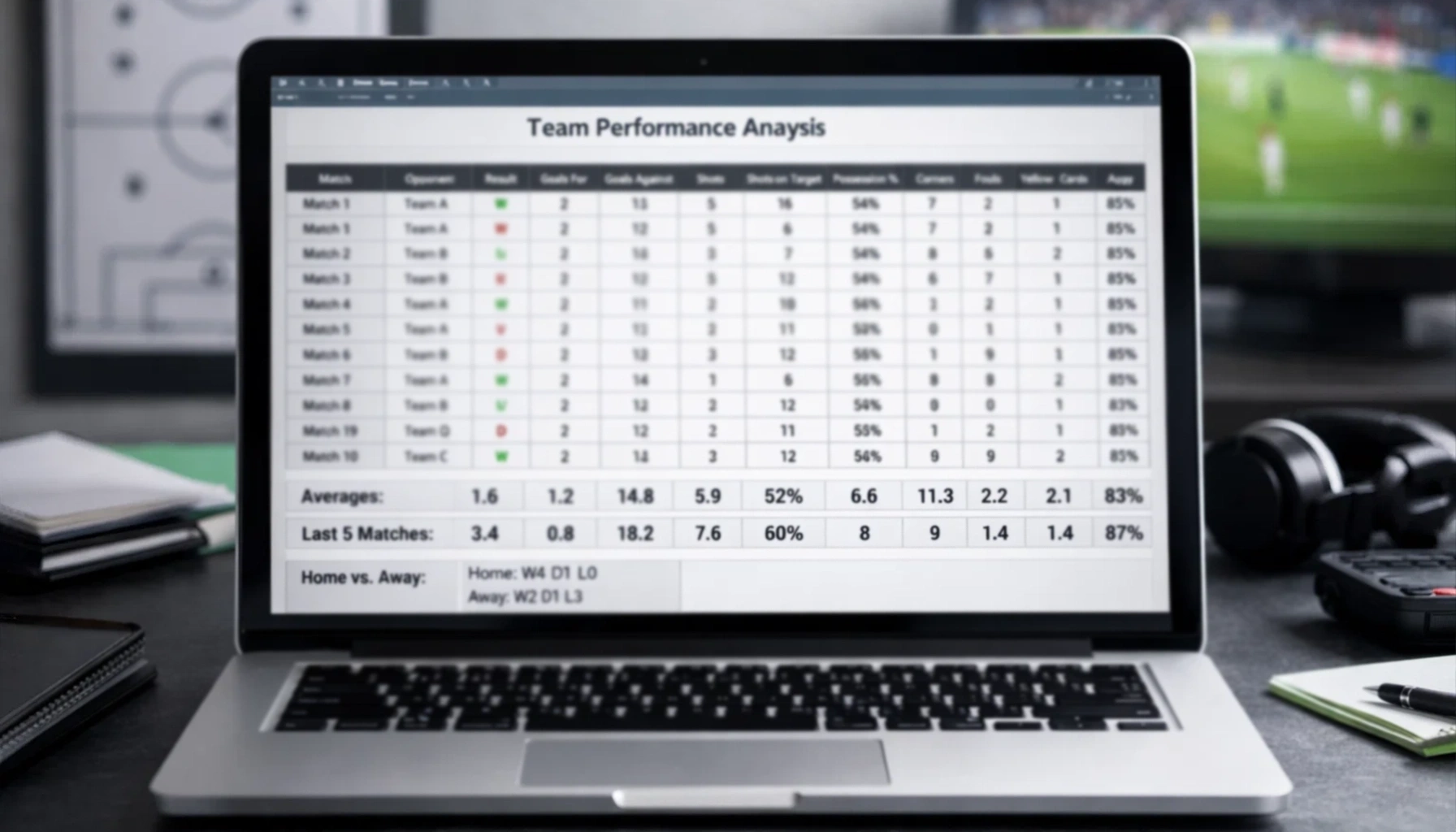
Spreadsheet organisation suits most bettors’ needs. Simple Excel or Google Sheets databases allow filtering, sorting, and basic statistical calculations. More sophisticated tools exist but spreadsheets provide sufficient capability for most analysis.
Statistical Analysis Approaches
Converting raw data into betting insights requires analytical frameworks.
Baseline establishment identifies Celtic’s typical statistical production. What is their average goals per home match? Average corners per away match? These baselines provide comparison points for evaluating specific fixtures.
Trend identification reveals whether Celtic’s performance is improving, declining, or stable. Five-match and ten-match rolling averages smooth variance while revealing directional changes.
Opposition-adjusted expectations recognise that Celtic’s numbers vary by opponent quality. Celtic’s statistics against Rangers differ from statistics against St Johnstone. Adjusting baselines for opposition helps produce fixture-specific projections.
Variance recognition prevents overreaction to unusual results. Celtic scoring six goals in one match does not mean their underlying quality increased. Understanding statistical variance helps maintain perspective across volatile short-term results.
Key Performance Indicators for Betting
Certain metrics carry particular predictive value for betting markets.
xG difference (Celtic xG minus opposition xG) indicates match control better than actual scorelines. Large positive xG differences suggest Celtic dominance that might not fully appear in results. These matches often offer value in future fixtures against similar opponents.
Shot location data reveals whether Celtic create quality chances or inflate shot counts through speculative efforts. Shots from dangerous areas carry more predictive value than total shot counts.
Pressing statistics measure how effectively Celtic win the ball in advanced positions. High pressing success rates correlate with scoring opportunities from turnovers.
Set piece conversion tracks how effectively Celtic convert corners and free kicks into goals. Above-average conversion suggests exploiting current form while below-average suggests regression toward mean conversion rates.
Clean sheet percentage against different opponent categories helps assess BTTS and Celtic clean sheet markets. Track this percentage separately for home, away, and different opposition quality levels.

Integrating Statistics with Betting
Statistics should inform rather than determine betting decisions.
Context weighting ensures statistics reflect comparable situations. Celtic’s statistics from August differ from December statistics due to squad fitness, tactical development, and opponent preparation. Weight recent relevant data appropriately.
Odds comparison translates statistical projections into value assessment. Statistical analysis might suggest Celtic have 65% probability of winning. If bookmaker odds imply only 60% probability, value exists. Statistics provide the probability estimates; odds comparison identifies value.
Multiple factor integration combines statistical evidence with other information. Team news, motivation, fixture context, and tactical considerations all affect outcomes alongside statistical patterns. Statistics provide one input among several.
Confidence calibration adjusts conviction levels based on data quality and sample size. Statistical conclusions from fifty matches warrant more confidence than conclusions from five matches. Acknowledge uncertainty in analysis based on limited data.
Tools and Software
Several tools assist Celtic statistical analysis.
Spreadsheet software (Excel, Google Sheets) handles most analytical needs. Built-in functions calculate averages, create charts, and filter data without programming knowledge.
Data visualisation tools help identify patterns through graphical representation. Simple charts showing Celtic’s goals by opponent category reveal trends that tables of numbers obscure.
Statistical software (R, Python) enables advanced analysis for those with programming capability. Machine learning applications, regression analysis, and sophisticated modelling become possible with these tools.
Betting-specific platforms integrate odds data with statistics for direct value calculation. These tools automate odds comparison and probability assessment that manual methods handle laboriously.
Statistical analysis provides informational edge that separates serious Celtic bettors from recreational punters. The investment in data collection, organisation, and analysis pays returns across every betting decision informed by superior understanding of Celtic’s likely performance.
Published:
