
Celtic Managerial Impact: Brendan Rodgers Betting Insights Guide
 Available in US

The manager shapes everything about how Celtic play, and consequently everything about how you should bet on them. Tactical systems determine which markets offer value. Substitution patterns affect live betting opportunities. Rotation philosophies influence team selection predictions. Understanding Brendan Rodgers’ specific approach to managing Celtic helps you anticipate match dynamics that less informed bettors miss entirely.
Rodgers returned to Celtic for his second spell bringing refined ideas from his time at Leicester City. The core principles remain consistent with his first tenure: possession dominance, high pressing, attacking full-backs, and fluid forward movement. But experience has added pragmatic layers that affect specific betting considerations. Knowing how Rodgers sets up Celtic for different opponents and competitions provides analytical edge across multiple markets.
Tactical System Overview
Rodgers deploys Celtic in variations of a 4-3-3 formation that prioritises possession and territorial control. The system’s characteristics directly inform betting market selection.
Possession dominance means Celtic control matches against most domestic opposition. Expect possession percentages above 65% in typical Premiership fixtures, often exceeding 70% against defensive teams. This possession translates to territorial pressure that generates corners, shots, and attacking set pieces regardless of whether goals follow.
High defensive line creates space behind Celtic’s defence that quick opponents can exploit. Against teams with pace on the counter, Celtic carry vulnerability that affects both teams to score markets. The high line also produces offside decisions that occasionally deny Celtic goals, adding variance to scorelines.
Attacking full-backs push high to provide width, effectively creating a 2-3-5 shape in possession. This commitment forward boosts Celtic’s attacking numbers but leaves defensive transitions vulnerable. Goals conceded from counter-attacks often originate from full-back positions being exploited.
Fluid front three interchange positions constantly, confusing opposition defences but occasionally confusing Celtic’s own attacking patterns. The unpredictability generates chances but also produces wasteful periods where final balls lack precision.
Competition-Specific Approaches
Rodgers adjusts Celtic’s approach based on competition context, and these adjustments affect betting calculations differently across competitions.
Scottish Premiership matches against weaker opposition see maximum attacking intent. Rodgers trusts Celtic’s quality advantage to overwhelm domestic opponents through sustained pressure. Expect high Celtic goal expectations, dominant corner counts, and one-sided territorial statistics.
Champions League matches against elite opposition prompt more cautious setups. Rodgers sometimes deploys a 4-5-1 or 4-4-2 shape to provide defensive stability against quality attackers. These tactical shifts reduce Celtic’s attacking output but improve clean sheet probability against opponents who would otherwise exploit Celtic’s usual high line.
Cup matches vary based on opponent and round. Early cup rounds against lower-league opposition feature rotation and experimental lineups rather than tactical shifts. Later rounds and finals receive tactical preparation appropriate to specific opponents.
Old Firm derbies see Rodgers balance attacking instincts with derby pragmatism. Celtic typically approach Rangers matches with slightly more caution than other fixtures, pressing slightly less aggressively and protecting against counter-attacks more carefully.
Substitution Patterns and Live Betting
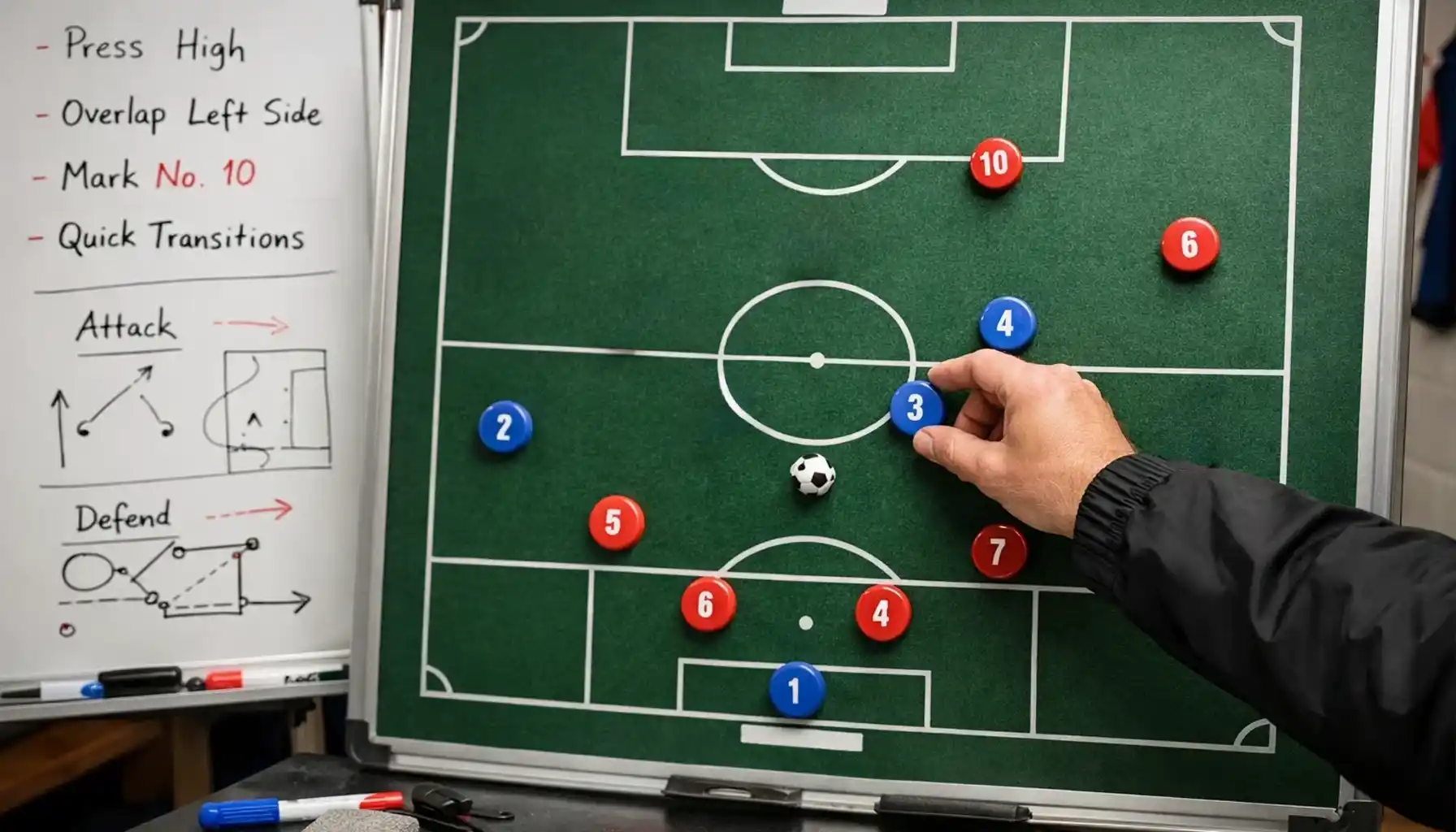
Rodgers’ substitution tendencies create live betting opportunities for those who anticipate his changes. Predictable patterns allow you to position bets before market movements reflect in-game adjustments.
Attacking substitutions around 60-65 minutes characterise matches where Celtic need goals. Rodgers introduces fresh attacking legs when starters tire, often producing immediate impact. If Celtic trail or draw at the hour mark, expect attacking changes that boost late goal probability.
Defensive substitutions to protect leads typically arrive after 75 minutes. Rodgers adds midfield solidity or defensive reinforcement when Celtic lead by one goal in tight matches. These changes reduce Celtic’s attacking output but improve clean sheet probability in match run-ins.
Like-for-like changes for fitness management occur in matches Celtic control comfortably. These substitutions maintain tactical shape while resting key players. They minimally affect betting markets because quality levels remain consistent.
Early forced substitutions for injury sometimes prompt tactical reshuffles that open betting opportunities. If Celtic lose a key player early, Rodgers’ response determines how remaining markets should be evaluated.
Pressing Intensity and Goals Markets
Rodgers’ pressing philosophy directly affects goals markets through its influence on both Celtic’s attacking and opponents’ defensive patterns.
High pressing from the front forces opposition mistakes in dangerous areas. Celtic regularly score goals from winning possession in the attacking third, adding to goal totals beyond constructed attacking moves. This pressing success means Celtic’s expected goals often exceed what pure chance creation would suggest.
Pressing traps target specific opposition players identified as weak in possession. Rodgers prepares Celtic to force turnovers from vulnerable opponents, creating scoring opportunities from deliberate tactical targeting. Understanding which opponents Celtic will press aggressively helps predict elevated goal totals.
Press resistance affects matches against quality opposition. Teams capable of playing through Celtic’s press can establish territorial presence that reduces Celtic’s attacking dominance. Champions League opponents particularly demonstrate this press resistance, producing lower-scoring affairs than domestic matches.
Pressing fatigue accumulates through matches and across fixture-congested periods. Celtic’s press loses intensity in second halves and during demanding schedules. Late goals against Celtic sometimes result from pressing fatigue creating space that earlier intensity had denied.
Set Piece Organisation
Rodgers emphasises set pieces as goal sources, affecting corners and specific scorer markets.
Attacking corners follow rehearsed routines that target specific aerial threats. Celtic’s corner conversion rate under Rodgers exceeds league averages because of preparation quality. Centre-backs and tall midfielders warrant consideration in goalscorer markets when Celtic expect high corner counts.
Defensive set pieces represent Celtic’s most consistent vulnerability. Despite Rodgers’ preparation, Celtic concede from opposition corners and free kicks more frequently than their open-play defensive quality suggests. Both teams to score markets should account for opposition set piece threats even against Celtic’s generally solid defence.
Free kick specialists receive opportunities that boost their goalscorer probability. If Celtic earn free kicks in shooting positions, designated takers have guaranteed scoring opportunities. Identifying Celtic’s current free kick hierarchy helps focus goalscorer betting.
Opposition Analysis Integration
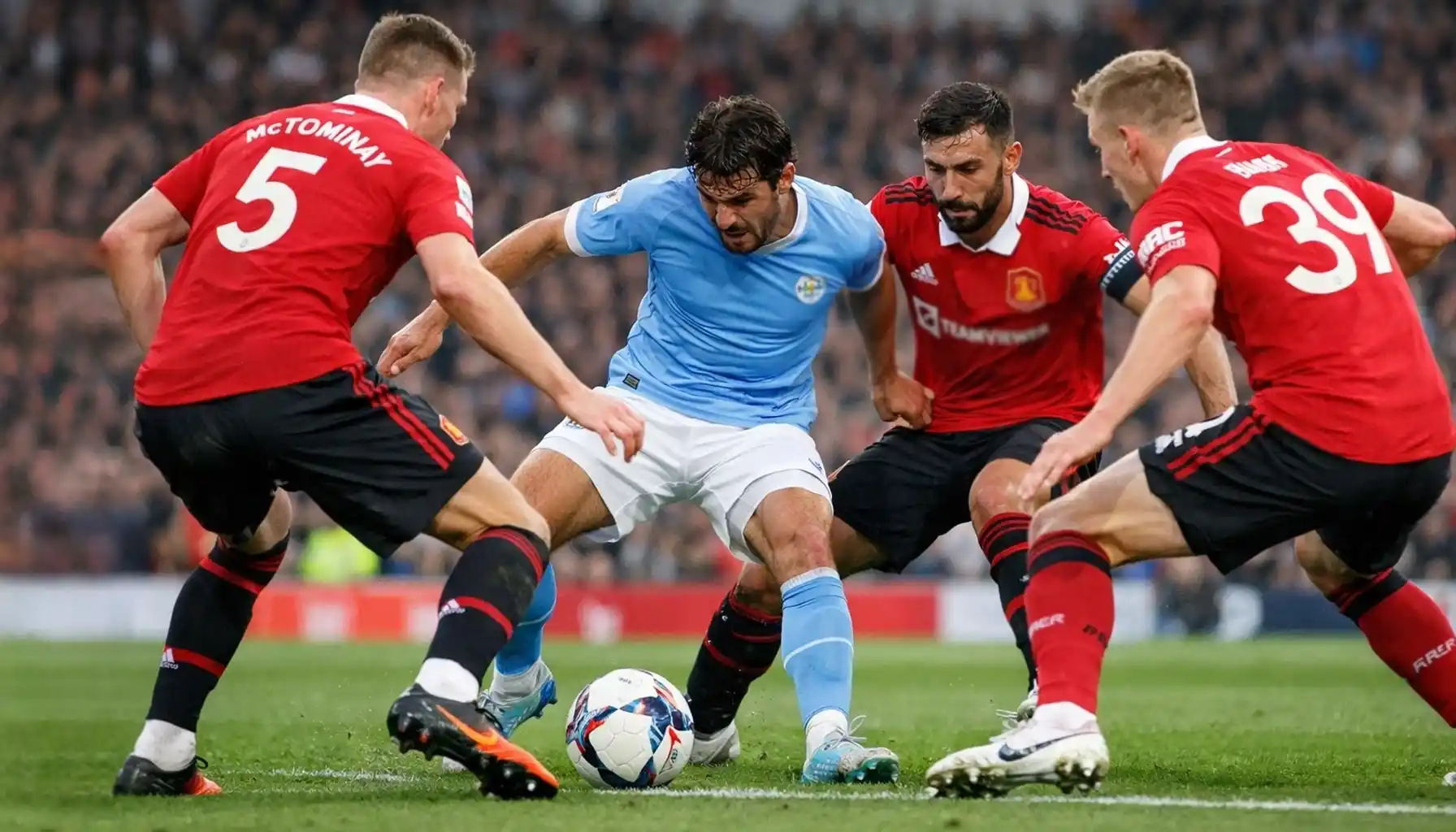
Rodgers’ preparation includes detailed opposition analysis that shapes Celtic’s specific approach to each match. Understanding this preparation process helps predict tactical variations.
Opponent weaknesses identification drives Celtic’s attacking focus. If opposition struggle defending wide areas, Celtic attack through full-backs more aggressively. If opposition centre-backs lack pace, Celtic run in behind more frequently. Recognising these tactical adjustments helps predict which Celtic players and markets will see elevated activity.
Opponent strengths neutralisation shapes Celtic’s defensive approach. Against quick counter-attacking teams, Celtic might sit slightly deeper than usual. Against aerial threats, Celtic might adjust defensive positioning. These neutralisation efforts affect goals conceded expectations.
Recent opponent form influences Rodgers’ team selection and tactical intensity. Celtic facing an opponent in poor form might rotate more freely than against opponents arriving in strong form. This form-relative selection affects lineup predictions.
Managerial Record Context
Rodgers’ historical record at Celtic provides baseline expectations that inform betting, though context around that record matters as much as raw numbers.
Domestic dominance statistics show Celtic winning roughly 85-90% of Premiership matches under Rodgers. This win rate establishes baseline expectations against which current odds should be evaluated.
European record shows more mixed results typical of Scottish clubs facing quality opposition. Champions League group stage struggles and Europa League competitiveness both feature in Rodgers’ Celtic history.
Cup competition record demonstrates consistent trophy delivery through domestic cups while maintaining league form. Rodgers’ ability to manage multiple competitions simultaneously affects rotation and prioritisation decisions.
Derby record shows periods of dominance and periods of struggle against Rangers specifically. Old Firm results under Rodgers vary enough that historical record provides limited predictive value for individual derbies.
Tactical Evolution Tracking
Rodgers refines Celtic’s approach throughout seasons, and tracking this evolution helps betting adjustments reflect current rather than outdated tactical realities.
Early season systems might differ from mid-season refinements as Rodgers integrates new signings and addresses weaknesses revealed by competitive matches. September betting should reflect evolving understanding rather than assumptions from previous seasons.
Post-European adjustment sometimes occurs after Champions League campaigns reveal tactical vulnerabilities. Rodgers has historically adjusted Celtic’s approach based on lessons from European competition, affecting domestic betting thereafter.
Injury-forced adaptation shapes Celtic’s tactical options when key players miss extended periods. Understanding how Rodgers adapts to personnel limitations helps predict tactical shapes during injury crises.
Opposition adaptation by domestic opponents who learn to counter Celtic’s approach sometimes forces Rodgers to evolve mid-season. Teams that successfully frustrated Celtic in early meetings might face different tactical approaches in return fixtures.
Following Rodgers’ tactical decisions through press conferences, match observations, and pattern recognition provides betting intelligence that systematic bettors can exploit. The manager’s influence on Celtic’s style makes understanding his approach essential for anyone betting seriously on Celtic matches.
Published:
