
Celtic Squad Rotation: Team Selection and Betting Line Impact
 Available in US
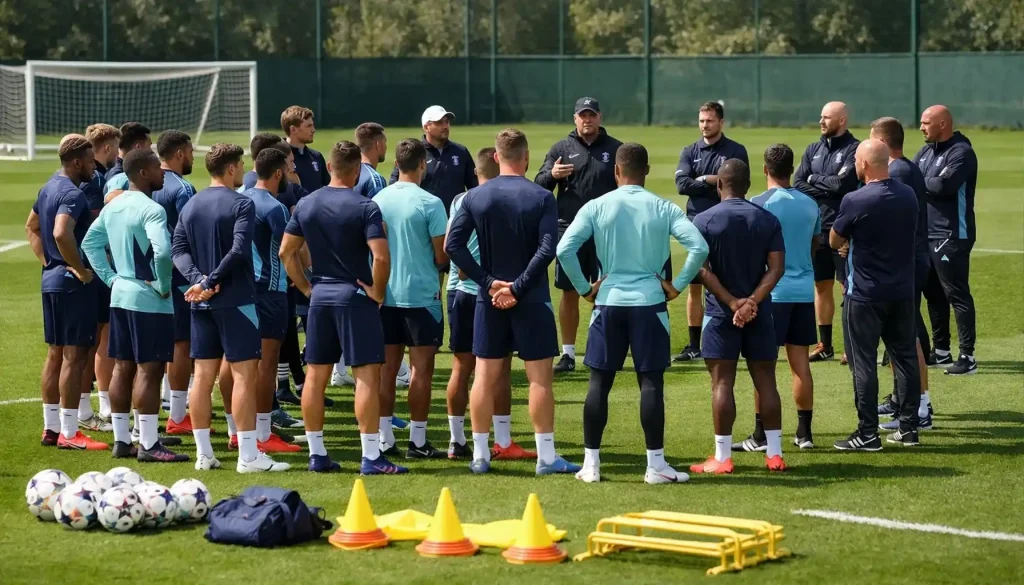
Celtic’s participation in multiple competitions simultaneously demands squad rotation that significantly affects betting outcomes. A Celtic side featuring eight first-choice players operates at different capacity than one featuring three regulars and eight fringe performers. Understanding rotation patterns, predicting likely team selections, and adjusting betting approaches accordingly separates sophisticated bettors from those who back Celtic regardless of circumstances.
Managers rotate for logical reasons: preventing injuries, maintaining freshness across long seasons, and developing squad depth for crucial periods. These decisions directly affect match results, goal totals, and margin of victory. Bookmakers adjust odds for expected rotation but cannot perfectly anticipate specific selections, creating edges for bettors who predict lineups more accurately.
Rotation Pattern Recognition
Celtic’s rotation follows identifiable patterns based on competition priority, fixture scheduling, and individual player management. Recognising these patterns helps predict team selection before official announcements.
Competition priority hierarchies shape rotation decisions. Champions League matches receive maximum resources. Premiership matches against Rangers command similar priority. Domestic cup finals outrank league matches against weaker opposition. Early cup rounds and dead rubber league fixtures fall to the bottom. Understanding where each fixture sits in this hierarchy predicts rotation levels.
Fixture spacing influences rotation necessity. Celtic playing Sunday-Wednesday-Saturday faces more rotation pressure than Celtic playing Saturday-Saturday. Midweek matches particularly affect weekend selections. A demanding Wednesday night European fixture produces weekend rotation almost certainly.
Individual player management creates predictable absences. Older players with injury histories receive scheduled rest matches. Key players returning from injury build fitness gradually. Summer internationals might miss early-season fixtures. Tracking individual player circumstances helps predict specific selections beyond general rotation expectations.
Seasonal phases affect rotation willingness. Early-season matches before squad fitness peaks require rotation to prevent injuries. Mid-season fixture pile-ups around December and February force extensive rotation. Late-season matches after competitions are decided invite experimental selections.
Impact on Betting Markets
Rotation affects different betting markets in distinct ways. Understanding these differential impacts helps select appropriate markets based on expected team selection.
Match result odds should adjust for rotation but often fail to fully reflect expected changes. Celtic at 1.10 against modest opposition with their first-choice eleven might represent fair odds. Celtic at 1.10 with eight changes represents poor value because the rotated side carries genuinely elevated upset risk.
Handicap markets suffer particularly from rotation effects. Celtic minus 3.5 goals assumes Celtic’s full attacking prowess deployed against weak defences. A rotated Celtic attack lacks the combinations and understanding that produces four or five-goal victories. Handicap lines set for full-strength Celtic become challenging for weakened sides.
Goals markets respond variably to rotation. Over goals markets might suffer because Celtic’s rotated attack creates fewer chances. However, rotated Celtic defences might concede more, maintaining total goal counts through different mechanisms. Analysing which positions receive rotation helps predict goals impact.
Clean sheet markets typically suffer from rotation. Celtic’s defensive organisation depends on regular partnerships understanding each other’s movements instinctively. Rotated defences lack this cohesion, increasing concession probability even against modest attacks.
Predicting Team Selection
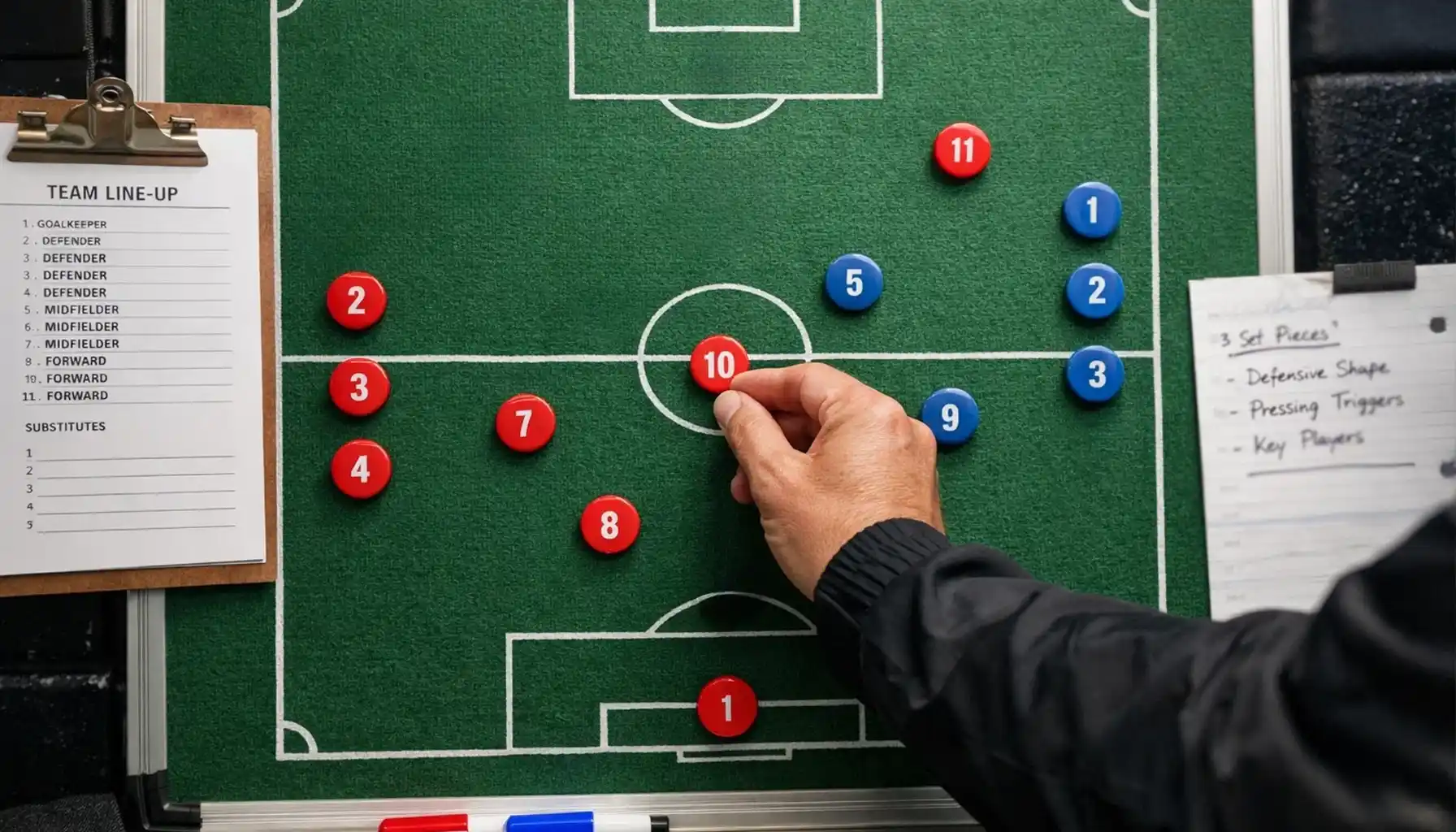
Accurate team selection prediction provides betting edge because it allows you to evaluate odds before bookmakers fully adjust for lineup realities. Several information sources help predict Celtic selections.
Manager press conferences reveal rotation intentions without confirming specific players. Phrases like “we need to manage the squad” or “fresh legs might be needed” signal rotation coming. Direct statements about specific players inform individual inclusion probability.
Training reports from reliable journalists indicate who participated fully in training. Players absent from training face low selection probability. Those completing full sessions remain available for selection.
Historical patterns under specific managers reveal rotation tendencies. Some managers rotate aggressively, making eight or nine changes for lesser fixtures. Others prefer consistency, changing only two or three players regardless of fixture importance. Understanding the current manager’s philosophy predicts rotation levels.
Injury news throughout the week informs selection. Knocks picked up in previous matches require assessment before selection. Players described as “touch and go” provide uncertainty that affects lineup predictions.
Adjusting Betting Approaches
Different rotation levels require different betting adjustments. Calibrating your approach to expected team strength helps maintain profitable betting across varied fixtures.
Minimal rotation (zero to two changes from strongest eleven) suggests normal betting approaches apply. Celtic’s expected performance levels remain near maximum. Odds set for full-strength Celtic remain appropriate.
Moderate rotation (three to five changes) requires modest adjustment. Celtic remain strong favourites in most fixtures but margins of victory might shrink. Handicap expectations should reduce. Goals markets might need adjustment depending on which positions rotate.
Heavy rotation (six or more changes) demands significant betting caution. Celtic’s lineup quality drops substantially. Upset probability increases meaningfully. Backing Celtic at short odds in these fixtures carries risk that typical Celtic betting does not involve.
Complete rotation for fixtures after competitions are decided or very early cup rounds creates near-random outcomes. A Celtic side of reserves and youngsters might still defeat lower-league opposition but cannot be backed with normal confidence levels.
Competition-Specific Rotation Patterns
Different competitions trigger different rotation expectations. Understanding these competition-specific patterns helps predict team selection before fixture-specific information emerges.
Champions League matches receive minimal rotation. Celtic’s strongest available eleven takes the field for Europe’s premier competition. Only injury or suspension forces changes from preferred selections.
Premiership matches against Rangers receive similar priority to Champions League. Old Firm derbies demand maximum resources regardless of fixture scheduling or congestion.
Premiership matches against top-six opposition receive full or near-full strength selections in most circumstances. Hearts, Hibernian, and Aberdeen command respect that prevents casual rotation.
Premiership matches against bottom-six opposition vary based on surrounding fixtures. A standalone match might receive full strength. A match between two European fixtures might see significant rotation.
Scottish Cup early rounds against lower-league opposition regularly feature heavy rotation. Celtic might field entirely different elevens in fourth or fifth round matches compared to their strongest selection.
League Cup matches receive similar rotation to Scottish Cup, with later rounds commanding increasing priority as trophy opportunities crystallise.
Team News Timing and Betting Windows
The timing of team news relative to betting market movements creates strategic considerations. Understanding these timing dynamics helps optimise betting placement.
Early betting before team news offers prices that do not reflect specific selections. If you correctly predict rotation levels that others miss, early betting captures value that evaporates once team news emerges.
Post-team news betting eliminates lineup uncertainty but faces adjusted odds. Bookmakers move lines once confirmed selections reveal rotation. The value from superior selection prediction disappears, but certainty about lineup quality replaces it.
Manager press conferences typically occur one or two days before matches. Information from these conferences shapes market movements. Betting immediately after press conferences, before markets fully adjust, sometimes captures value windows.
Official team news releases approximately one hour before kick-off. Final confirmation of selections occurs at this point. Lines make final adjustments. Very late betting carries certainty but faces fully adjusted prices.
Rotation and Long-Term Betting
Rotation patterns affect season-long betting positions as well as individual match wagers.
Accumulator construction should avoid matches where heavy rotation seems likely. A Celtic leg in an accumulator might seem safe, but rotation transforms Celtic from near-certainties into merely strong favourites. The variance this introduces undermines accumulator construction.
Live betting adjustment becomes possible once confirmed lineups appear. If Celtic announce unexpected rotation, live betting after kick-off when markets have adjusted might offer better value than pre-match positions taken without lineup knowledge.
Season outrights implicitly price rotation effects across entire campaigns. Celtic to win the Premiership assumes normal rotation patterns that produce expected point totals. Unusual rotation levels, whether more or less than historical norms, affect outright expectations.
Squad rotation represents one of the most predictable yet underappreciated factors in Celtic betting. The club’s multi-competition schedule guarantees rotation throughout the season. Bettors who anticipate selection patterns and adjust approaches accordingly outperform those who treat every Celtic match identically regardless of expected lineup quality.
Published:
