
Celtic League Cup Betting: Early Season Odds and Value Angles
 Available in US
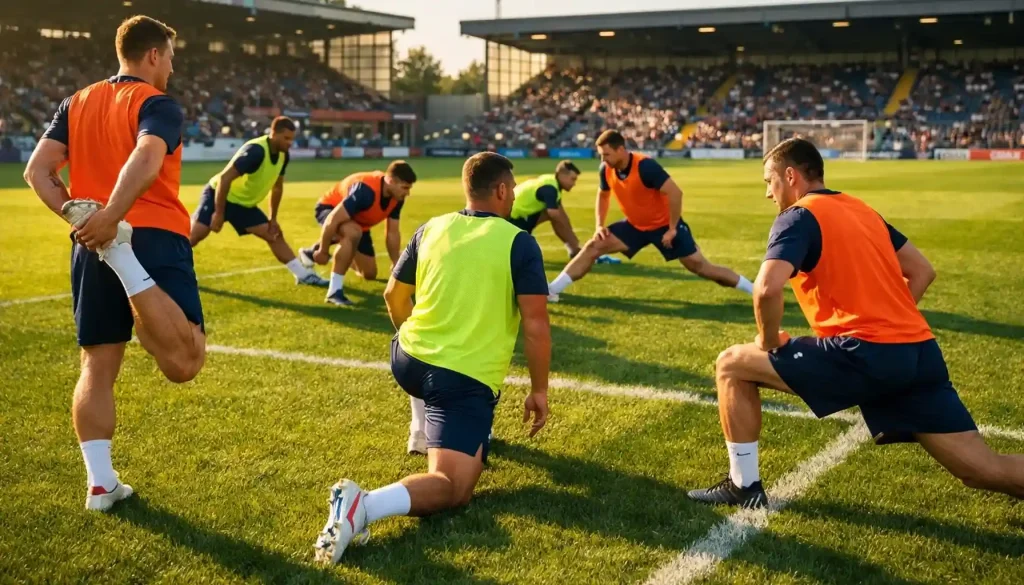
The Scottish League Cup, currently sponsored as the Premier Sports Cup, occupies a unique position in Celtic’s calendar. Beginning in the season’s earliest weeks when squads remain unsettled and match fitness incomplete, this competition produces results that would seem improbable later in campaigns. Celtic remain overwhelming favourites but face conditions that create genuine uncertainty: new signings finding their feet, pre-season fatigue lingering, and tactical patterns still developing. These early-season dynamics generate betting opportunities unavailable in the more predictable mid-season period.
Celtic’s League Cup history reflects consistent dominance interspersed with occasional early exits that remind bettors knockout football defies expectations. The trophy cabinet contains numerous League Cup wins, yet Celtic have also fallen to modest opposition in rounds where their superiority seemed guaranteed. Understanding when Celtic genuinely merit short prices versus when their early-season vulnerabilities warrant caution shapes profitable betting approaches.
Group Stage Peculiarities
The League Cup begins with a group stage featuring lower-league clubs alongside Premiership sides outside European competition. Celtic enter at the knockout rounds, but understanding group stage dynamics helps evaluate opponents Celtic later face.
Group stage matches occur in July and August, the season’s earliest weeks. Clubs field squads in varying states of preparedness, with summer signings sometimes ineligible or unfit. Results frequently confound expectations as promoted sides defeat established clubs and form proves meaningless. The opponents emerging from groups to face Celtic have already demonstrated their current season capabilities, providing useful form indicators.
Lower-league clubs qualifying through groups arrive with competitive sharpness Celtic might lack. While Celtic played glamorous pre-season friendlies against European opposition, their League Cup opponents played competitive matches with league points or knockout qualification at stake. This preparation advantage partially offsets quality gaps.
Monitoring group stage results helps identify which potential opponents represent genuine threats. A Championship club winning their group with four victories carries different threat levels than a club scraping through on goal difference. These distinctions inform betting on Celtic’s knockout matches.
Round of Sixteen Dynamics
Celtic typically enter the League Cup in the round of sixteen, facing opponents who emerged from group stage competition. These early knockout matches often occur in August, when Celtic’s European campaign has begun and fixture congestion creates rotation requirements.
Early-season Celtic sides sometimes lack the cohesion and intensity of mid-season versions. New signings might still adapt to tactics and teammates. Key players might carry fitness concerns from compressed pre-season preparation. The near-telepathic understanding Celtic display by November takes time to develop.
Opponents at this stage typically come from lower leagues or lower-half Premiership clubs. Quality gaps exist but manifest less clearly in August than they would in February. Celtic at 1.15 to beat a Championship side in August offers slimmer value than identical odds in midwinter, because early-season Celtic operate below peak capacity.
Away fixtures in the round of sixteen carry particular upset potential. Celtic visiting a lower-league ground for an evening cup match under lights creates atmospheric intensity. Opposing players raise their performances for career-defining occasions, while Celtic’s lesser-used squad members might struggle to match that intensity.
Quarter-Final and Semi-Final Analysis
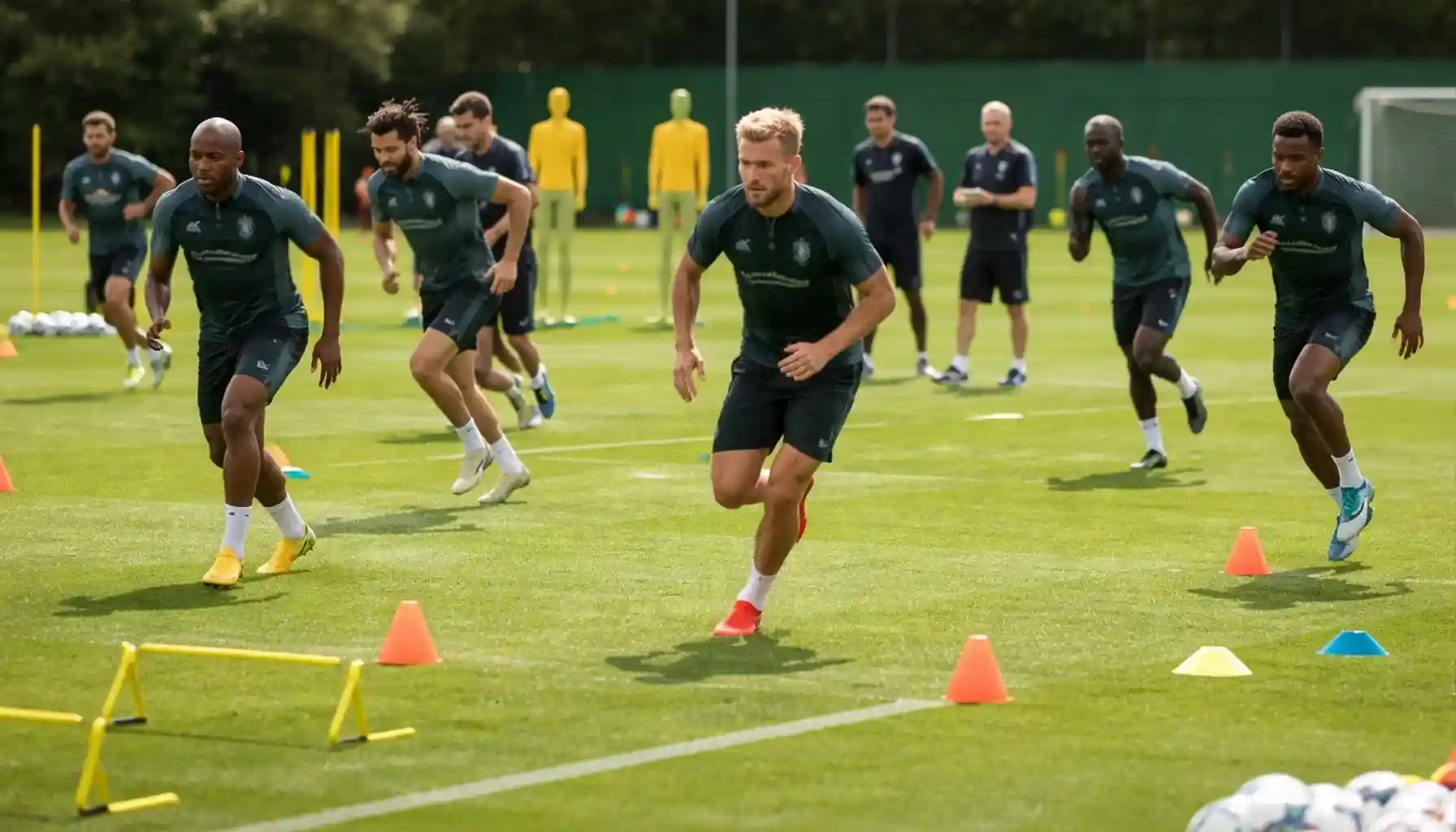
Quarter-finals typically occur in September or October, by which point Celtic have established seasonal rhythms. Squad cohesion improves, tactical patterns solidify, and Celtic begin resembling their eventual form. Betting on Celtic at this stage requires less adjustment for early-season factors.
Opposition quality increases in later rounds as Premiership clubs fill the bracket. Hearts, Hibernian, Aberdeen, or Rangers appear regularly in quarter-finals and semi-finals, creating matches that resemble league fixtures more than earlier cup rounds. Celtic’s dominance still applies but faces genuine competitive tests.
Semi-finals at Hampden Park neutralise home advantage while introducing occasion pressure. These matches often produce tense, tactical affairs where neither side risks fatal errors. The goals markets might favour unders when two cautious Premiership sides meet in knockout football with finals at stake.
Rangers semi-finals introduce Old Firm dynamics that overshadow normal cup considerations. These derby fixtures generate their own analytical frameworks regardless of competition context. Celtic versus Rangers in any knockout round becomes primarily an Old Firm match with cup progression as the prize.
Final Betting Approaches
League Cup finals typically occur in December, creating mid-season showcase matches that attract maximum attention. Celtic reach most finals and win most they reach, establishing favouritism that bookmakers price accordingly.
December finals introduce weather variables absent from fairer-weather fixtures. Hampden Park in Scottish winter can produce brutal conditions affecting playing styles and outcomes. Heavy pitches suit direct football over Celtic’s typical possession play. Driving rain or strong wind disrupts Celtic’s precise passing combinations. Weather forecasts warrant consideration when evaluating final betting.
Celtic’s December form typically represents their seasonal peak as European group stages conclude and domestic league positions clarify. The squad operates at full strength with optimal fitness and tactical cohesion. This timing favours Celtic’s chances but also means opponents face Celtic at their best.
Final opponents vary from Rangers at comparable quality levels to Hearts or Aberdeen representing upper-Premiership challenges. Celtic’s final odds range accordingly, from near even-money against Rangers to around 1.40 against other Premiership finalists. Market selection depends entirely on specific opponent matchup.
The goal scorer markets attract significant final betting interest. Hampden occasions can elevate or inhibit individual performances. Key players sometimes disappear in major finals while unlikely heroes emerge. First goalscorer markets carry significant variance but offer large potential returns.
Early Season Form Considerations
League Cup matches occur when Celtic’s form book provides minimal guidance. August and September fixtures precede the statistical samples that inform later-season analysis. Betting on early League Cup matches requires different evaluation frameworks.
Pre-season results offer limited predictive value. Friendly matches against European clubs test different qualities than competitive fixtures against Scottish opposition. Celtic thrashing a German club 4-0 tells you little about their likely performance against Livingston in the League Cup third round.
The previous season’s finishing form carries somewhat more relevance. How Celtic performed in their final ten matches of the prior season indicates baseline quality that persists into new campaigns. Strong finishes suggest momentum that survives the summer break.
Transfer window activity creates uncertainty that only competitive matches resolve. New signings need game time to demonstrate their impact. Celtic’s attacking threat might increase significantly with a new striker, but you cannot know this until he actually scores in competitive fixtures. Early cup matches sometimes reveal whether summer recruitment succeeded.
Injury and fitness news carries elevated importance early in seasons. Players returning from summer surgery might lack match sharpness. Pre-season training injuries might sideline key performers. Celtic’s squad depth mitigates most individual absences, but multiple injuries to specific positions create genuine concern.

Rotation and Squad Management
League Cup matches typically feature extensive rotation as Celtic balance multiple competitions from the season’s earliest weeks. Champions League or Europa League qualifiers might occur days before or after League Cup fixtures, forcing difficult squad management decisions.
Predicting Celtic’s lineup becomes essential for League Cup betting. A Celtic starting eleven featuring eight changes from European duty represents fundamentally different proposition than near-full-strength selection. The players matter as much as the odds.
Celtic’s squad depth means rotated sides still contain quality. Second-choice players at Celtic would start for most Scottish clubs. However, the cohesion and understanding between unfamiliar combinations takes time to develop. A makeshift defence or midfield might concede goals that established partnerships would prevent.
Competition priority hierarchies shape rotation decisions. Champions League qualification takes absolute precedence over early League Cup rounds. Celtic might field heavily rotated sides for third-round cup matches sandwiched between European qualifiers. Later League Cup rounds, particularly semi-finals and finals, receive higher priority as trophy opportunities crystallise.
Market Selection for League Cup Fixtures
Early-season League Cup matches suit certain betting markets better than others. Understanding which markets capture League Cup dynamics helps focus betting attention.
Goals markets benefit from early-season looseness. Defences not yet settled into organisational patterns concede more readily than their midwinter versions. Both teams to score offers value in matches featuring two unsettled defensive units. Over 2.5 goals captures the attacking intent teams bring before conservative tactical patterns emerge.
Handicap markets require careful assessment of early-season form versus established quality. Celtic minus 2.5 against lower-league opposition assumes Celtic’s attacking prowess functions at expected levels despite limited competitive preparation. This assumption sometimes fails in August but holds more reliably by October.
First goalscorer markets face elevated uncertainty when lineups remain unpredictable. Backing Celtic’s star striker to score first offers poor value if he features from the bench while youngsters start. Waiting for confirmed lineups before placing scorer bets protects against rotation surprises.
Corners and cards markets suit Celtic’s style regardless of seasonal timing. Celtic’s possession dominance generates corners against any opponent. Competitive cup matches produce fouls from overmatched opponents trying to disrupt Celtic’s rhythm. These markets offer consistency when goal markets carry seasonal uncertainty.
Outright and Progression Markets
League Cup outright winner markets open before the competition begins and remain available throughout. Celtic typically price between 1.40 and 1.80 depending on perceived challenge from other clubs.
These outright odds compress Celtic’s genuine edge more than individual match betting. Knockout football’s inherent variance means Celtic face upset potential across multiple rounds, and a single failure eliminates accumulated value from earlier wins. Round-by-round betting often offers better expected value than tournament-long commitments.
The League Cup’s relatively short duration, with only four or five matches from Celtic’s entry to final victory, makes outright markets more viable than longer competitions. Fewer matches means fewer upset opportunities, partially justifying compressed odds.
Celtic to reach the final markets eliminate the final itself from betting consideration. If Celtic’s path to the final looks favourable but the final opponent poses genuine challenge, progression markets allow backing Celtic’s earlier rounds without committing to final outcomes.
Domestic trophy accumulator markets combine League Cup with Scottish Cup and Premiership. Celtic completing the domestic treble has become routine expectation, yet each competition’s knockout element ensures genuine uncertainty. These accumulators appeal to Celtic supporters but carry mathematical disadvantages inherent to multi-leg bets.
Historical Patterns Worth Noting
Celtic’s League Cup history reveals patterns that inform current betting. The club wins this trophy more often than any other, establishing dominance that bookmakers correctly price. However, occasional exits occur against unexpected opponents, reminding bettors that favouritism provides no guarantees.
Early-round exits typically involve combination of factors: heavy rotation, difficult away venue, and opponents playing above themselves. These exits cluster in August and September rather than later rounds, when Celtic’s seasonal form has stabilised. This pattern supports caution toward early League Cup betting regardless of opponent quality.
Final victories predominate in Celtic’s record, with the club converting most final appearances into trophies. This conversion rate suggests final betting on Celtic offers reasonable value when odds appropriately reflect Celtic’s quality. Finals against Rangers prove closer than finals against other opposition.
Weather has affected memorable League Cup finals. December’s scheduling means conditions influence outcomes more than spring or summer cup finals. Celtic’s technical style can suffer in adverse weather, though their overall quality usually prevails regardless. Weather considerations add marginal analytical value to final betting.
Published:
