
Scottish Premiership Celtic Betting Guide: Odds, Value and Strategy
 Available in US

Celtic’s relationship with the Scottish Premiership presents a paradox for bettors. They win the league virtually every season, often by substantial margins, yet this very dominance makes profitable betting surprisingly difficult. When a team is priced at 1.08 to 1.15 for roughly thirty of their thirty-eight league matches, the mathematics of betting work against you even when your predictions prove correct. Understanding how to navigate Celtic’s domestic dominance requires thinking beyond simple match results and recognising where genuine value emerges within this lopsided competitive landscape.
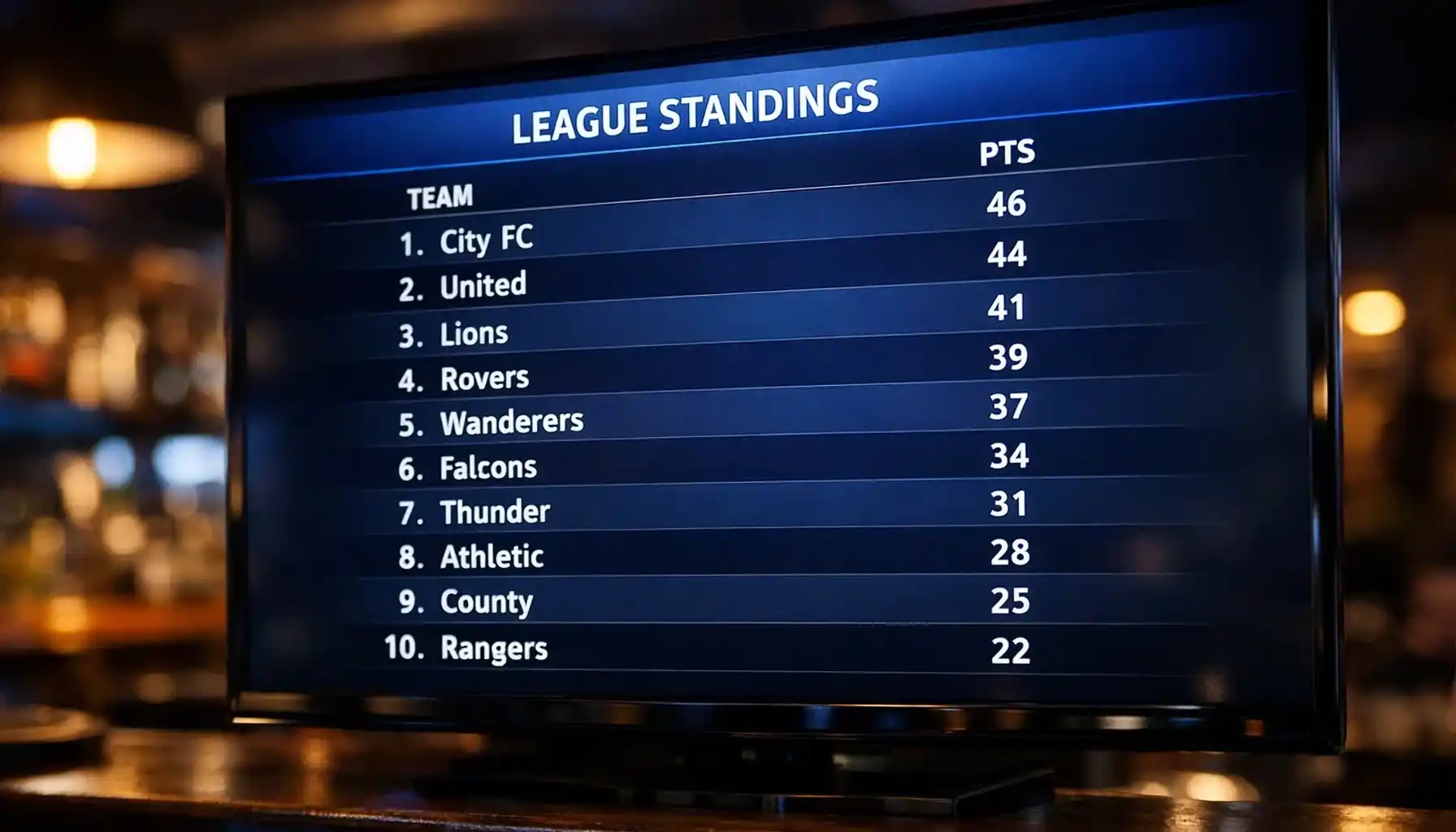
The Scottish Premiership operates differently from most European leagues, featuring a split system that creates distinct betting phases throughout the season. Twelve teams play each other three times during the opening thirty-three matches, then the league divides into top six and bottom six for the final five fixtures. Celtic invariably occupy the top half, often having secured the title mathematically before the split even occurs. This structure shapes betting opportunities in ways that reward patient, strategic approaches over reflexive backing of overwhelming favourites.
The Mathematics of Domestic Dominance
Celtic’s Scottish Premiership statistics tell a story of comprehensive superiority that bookmakers price accurately. Over recent seasons, Celtic have averaged roughly twenty-nine wins from thirty-eight matches, with goal differences frequently exceeding plus seventy. They score over two and a half goals per match on average while conceding fewer than one. These numbers translate directly into betting odds that offer minimal returns for maximum risk.
When Celtic face bottom-half opposition at home, bookmakers typically price them between 1.05 and 1.15. At 1.10, you profit ten pence per pound wagered when Celtic win. But Celtic do not win one hundred percent of these matches. They draw occasionally, lose rarely, and each slip costs your entire stake. The break-even win rate at 1.10 odds is 90.9%. Celtic’s actual win rate against bottom-half home opponents hovers around 85-90%, meaning these bets hover near break-even at best and often carry negative expected value once you account for the specific opponent and circumstances.
The financial reality becomes clearer through concrete examples. Imagine backing Celtic at 1.10 across twenty home matches against weaker opposition. If Celtic win seventeen and drop points in three, your seventeen wins generate 1.70 pounds profit while your three losses cost 3.00 pounds. You predicted correctly 85% of the time yet lost 1.30 pounds overall. This scenario represents Celtic’s actual performance profile, which is why systematic backing of short-priced favourites fails as a strategy despite Celtic’s genuine quality.
Fixture Categories and Betting Approaches
Not all Celtic Premiership matches are created equal, and successful betting requires categorising fixtures appropriately. The thirty-eight league matches divide into distinct types, each warranting different betting considerations based on opposition quality, venue, and seasonal context.
Home matches against bottom-six teams represent Celtic at their most dominant but least profitable to back. These fixtures produce the shortest odds and the most predictable outcomes. Celtic typically win 85-90% while creating ten to fifteen scoring chances. The match result market offers nothing; alternative markets like corners, Celtic goals, or specific handicaps occasionally provide value when bookmakers underprice Celtic’s dominance. Look for Celtic team corners over 7.5 or Celtic over 2.5 goals when facing particularly defensive opposition.
Away matches against bottom-six teams see Celtic’s odds lengthen slightly, typically to 1.15-1.30 depending on the opponent. Travel, different pitch dimensions, and marginally increased opposition ambition at home create slightly more competitive affairs. Celtic still win around 75-80% of these fixtures, but the improved odds sometimes approach fair value. The both teams to score market becomes more interesting away from Parkhead because Celtic’s high defensive line faces more testing on opponents’ home grounds.
Matches against top-six opposition offer genuinely competitive odds and meaningful uncertainty. Aberdeen, Hearts, Hibernian, and occasionally others can trouble Celtic on their day. Celtic’s odds against these teams typically range from 1.40 to 1.80 depending on venue and form. These fixtures warrant proper analysis of team news, recent form, and tactical matchups because outcomes genuinely hang in the balance. The match result market becomes viable when you identify factors the bookmaker has underweighted.
Old Firm derbies exist in their own category entirely, covered separately due to their unique dynamics. Rangers matches represent Celtic’s most challenging domestic fixtures regardless of form or league position.
The Split System’s Betting Implications
The Scottish Premiership’s split into top and bottom six after thirty-three matches creates specific betting opportunities that other leagues do not offer. Understanding this system allows you to anticipate market movements and fixture dynamics that less informed bettors miss.
The split typically occurs in early April, with five matches remaining for each team. By this point, Celtic have usually established a commanding lead, often mathematically securing the title before or shortly after the split. This creates motivational imbalances that significantly affect betting value. Post-split Celtic matches often feature rotated squads, reduced intensity, and tactical experimentation as the club prepares for cup finals or European commitments.
Opposition teams in the top six, meanwhile, battle fiercely for European qualification spots. Aberdeen, Hearts, and Hibernian typically fight for third through fifth positions, which carry Europa League or Conference League qualification. These teams bring maximum motivation against a Celtic side potentially playing out the string. Backing against Celtic in specific post-split fixtures, particularly away from home against teams with European ambitions, can offer value despite Celtic’s overall superiority.
The bottom-six split creates different dynamics. Teams fighting relegation play with desperation that can produce surprising results even against Celtic. When Celtic visit a bottom-six team after securing the title, the motivational gap inverts entirely. Celtic have nothing to play for while their opponents fight for survival. These fixtures historically produce more draws and upsets than Celtic’s overall record suggests.
Seasonal Patterns Worth Tracking
Celtic’s Premiership season follows predictable rhythms that inform betting timing. Recognising these patterns helps you identify when Celtic represent genuine value versus when you are paying for perceived rather than actual quality.
August through October sees Celtic typically start strongly, building early leads while fresh and motivated. Opposition teams have not yet fully gelled, and Celtic’s superior squad depth shows. Backing Celtic during this period means paying full price for a team operating near peak domestic effectiveness. Alternative markets may offer better value than match results because Celtic’s dominance is fully priced.
November through January introduces fixture congestion and European commitments that stress Celtic’s squad. If Celtic are competing in Champions League or Europa League, domestic rotation becomes necessary. Identifying which matches Celtic will prioritise provides betting edge. A Celtic side featuring five changes against a mid-table opponent mid-week offers different value than full-strength Celtic with ten days rest.
February through March often represents Celtic’s most vulnerable domestic period. League position typically looks secure, removing urgency, while cup competitions and European knockouts demand attention. Celtic’s Premiership performances sometimes dip during this stretch, creating value opportunities for those willing to bet against them or take unders on expected goals.
April through May depends entirely on whether the title race remains competitive. If Celtic have secured the championship, late-season matches become low-intensity affairs where backing Celtic at any price offers poor value. If Rangers have kept the race alive, Celtic bring maximum focus to every remaining fixture.
Markets Beyond Match Results
Celtic’s Premiership dominance makes alternative markets essential for finding value. When the match result offers 1.08 on Celtic, you need other angles to make betting worthwhile.
Asian handicap markets transform Celtic mismatches into genuine propositions. Celtic -2.5 against bottom-six opposition might be priced at 1.90, requiring Celtic to win by three or more goals. This happens in roughly 35-40% of such fixtures, making the market genuinely contestable. Analyse whether the specific opponent is likely to collapse completely or mount stubborn resistance that keeps the score respectable.
Goals markets suit Celtic’s attacking style. Over 3.5 goals in Celtic home matches against defensive opposition offers better value than backing Celtic to win because it requires Celtic to dominate scoreboard not just result. When Celtic face teams that will defend deep and frustrate, under 2.5 goals occasionally presents value despite Celtic’s scoring prowess.
Celtic clean sheet markets fluctuate based on opposition attacking quality. Against teams averaging less than one goal per away match, Celtic clean sheet at 1.60-1.80 can offer value. Track opposition scoring records and identify teams genuinely incapable of troubling Celtic’s defence.
Half-time markets exploit Celtic’s tendency to start strongly. Celtic leading at half-time typically prices around 1.40-1.60 against weaker opposition, sometimes offering better value than backing the full-time result because it removes second-half variance where substitutions and fatigue can affect outcomes.

Avoiding Common Mistakes
Betting on Celtic in the Premiership tempts recreational bettors into patterns that guarantee long-term losses. Recognising these traps allows you to sidestep them.
Accumulator addiction represents the most common error. Bettors combine Celtic with other short-priced favourites seeking acceptable combined odds. Three Celtic matches at 1.10 each produce combined odds of 1.33, which still requires Celtic to win all three for any profit. The margin compounds across legs while risk multiplies. One slip in three destroys the entire accumulator despite two correct predictions.
Ignoring rotation costs bettors who assume Celtic always field full-strength teams. Celtic rotate significantly across their thirty-eight league matches, particularly during cup and European campaigns. A Celtic team missing three or four regular starters against mid-table opposition is not the same proposition as full-strength Celtic, yet odds sometimes fail to fully reflect these absences.
Backing Celtic regardless of price assumes brand value translates to betting value. Celtic are an excellent football team, but excellent teams can be poor bets when odds do not compensate for risk. Passing on Celtic matches entirely when no value exists represents superior strategy to forcing action at inadequate prices.
The Scottish Premiership offers Celtic bettors a long season of opportunities, but those opportunities rarely exist in the headline market of backing Celtic to win. Understanding the league’s structure, Celtic’s seasonal patterns, and which alternative markets provide genuine value transforms domestic betting from inevitable loss into potential profit. The bettor who recognises that Celtic’s dominance is already fully priced into most markets thinks more clearly than the bettor who sees Celtic winning constantly and assumes backing them must be profitable.
Published:
